
Walk down the supplement aisle and the ingredient lists start to blur together. Mullein, milk thistle, DHM, dandelion, reishi. The same botanicals recur across recovery, liver, and lung formulas, and the labels rarely explain what each one is for.
This guide breaks down the herbal supplement ingredients you will meet across SuperBonsai’s botanical product line, what each plant is traditionally used for, and how to read a label critically. You can browse the full SuperBonsai catalog to see how these herbs show up in real formulas.
What Herbal Supplement Ingredients Do
Your body is not waiting to be rescued. The liver clears compounds continuously, and the airways sweep particles out through mucus, cilia, and immune cells. These systems run every minute, without any help from a supplement.
That shapes what botanicals can claim. They support those existing processes over consistent use, rather than flushing or purging anything on demand. Any product promising an overnight detox is selling a fad, not a function.
So the useful distinction is daily support versus crash cleanse. A botanical routine works the way a good habit works, gradually and in the background. It complements the body's housekeeping instead of overriding it.
Most of these herbs are backed by traditional use, mechanistic reasoning, and some early human data. Large outcome trials are rare in this category. Saying so plainly is the point of this guide, because it lets you read the rest as information rather than a pitch.
How to Read a Herbal Supplement Label
The label tells you more than the front-of-bottle claims do, once you know what to look at. A few details separate a serious botanical product from a vague one.
Start with the extract ratio. A figure like 10:1 means ten parts of raw herb were concentrated into one part extract. That concentration matters more than a raw milligram count, because a high milligram number on a weak extract can still deliver very little active compound.
Next, look at how the herb is described. Whole-herbs, standardized extract, and isolated bioactive are three different things. A label that names the specific plant part, leaf, root, berry, or peel, signals a producer who knows what is in the bottle. A standardized extract goes further, listing the active compound and the percentage it is standardized to.
Form factor changes how those active compounds reach you. Capsules, tablets, powders, gummies, and teas all work, but a liquid extract taken sublingually suits a daily routine, with consistent dosing and quick absorption. Tinctures also come alcohol-based or alcohol-free, which is worth checking against your preference.
The format matters less than the consistency, as explained in our milk thistle liquid drops blog.
Finally, check for third-party testing. A botanical category carries real risk of heavy metals, pesticides, and microbial contaminants, so independent verification from a name like USP, NSF International, or ConsumerLab is a genuine quality signal. Supplements are regulated as food rather than drugs, so this outside check does work the FDA does not.
One framing to carry through the rest of this guide: natural does not mean safe, and it does not mean proven. Some of the best-studied herbs still carry real interactions, and some traditional favorites have thin human data. A good label helps you tell the difference.

Herbal Ingredients for Liver Support
Liver formulas use bitter and antioxidant herbs traditionally associated with liver and digestive function. The liver detox framing here is the daily-support kind, herbs that work alongside the liver's continuous processing, not a crash flush that purges a stored backlog. There is no backlog. The liver clears compounds as they arrive.
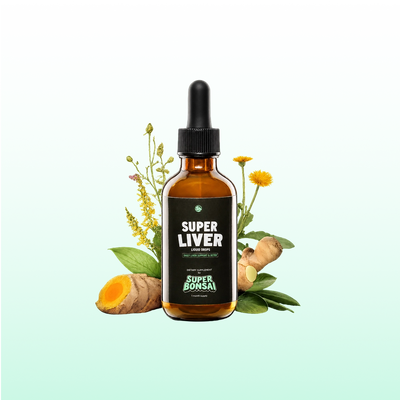
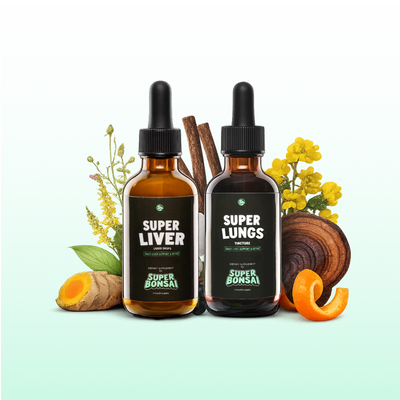
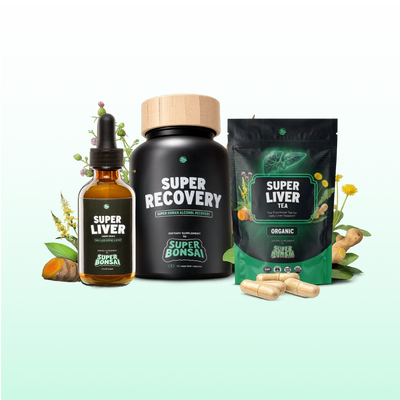
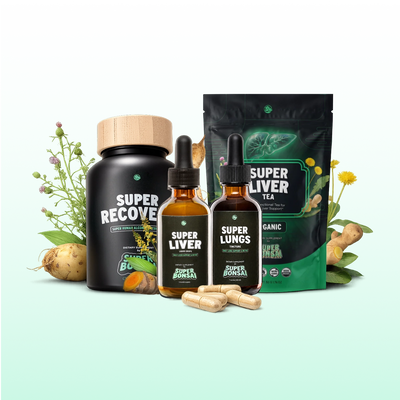
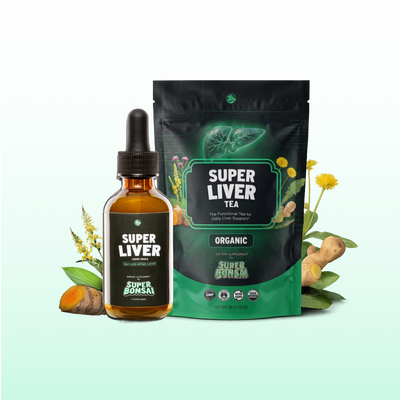
Super Liver combines seven such herbs, and the newer Super Liver Tea brings the same liver-support framing into a daily tea format. Two ingredients lead the blend.
Milk Thistle (Silymarin)
Milk thistle (Silybum marianum) has been used for liver and bile-duct support for more than two thousand years. Its active extract, silymarin, is studied for antioxidant and anti-inflammatory activity in liver cells, and laboratory work suggests it helps protect those cells from oxidative stress.
The caveat here is that human clinical results are mixed. Controlled trials in people with liver disease have been conflicting or too limited to confirm a clear benefit. Milk thistle's standing rests on long traditional use and a plausible antioxidant mechanism, which is why it appears in both the hangover recovery and daily liver drop formulas as a structure/function support ingredient.
Dandelion Root
Dandelion root (Taraxacum officinale) is a classic bitter herb, traditionally used to support digestion, bile flow, and liver function. It contains antioxidant and anti-inflammatory compounds, and herbal traditions across Europe and North America have leaned on it as a gentle liver and digestive tonic for centuries.
Its caveat mirrors milk thistle's: the modern human evidence is still limited, and most research to date is preclinical. Dandelion belongs in a liver formula for its traditional bitter-herb role and antioxidant content, described by what it is known for rather than measured against any other herb in the blend.
Filling out the formula, yellow dock root is another traditional bitter, turmeric and ginger add antioxidant compounds, chicory root supplies inulin as a prebiotic fiber, and berberine is a plant alkaloid studied for metabolic support. Each belongs for its own traditional and mechanistic rationale, not by ranking above the others.

Herbal Ingredients for Lung and Respiratory Support
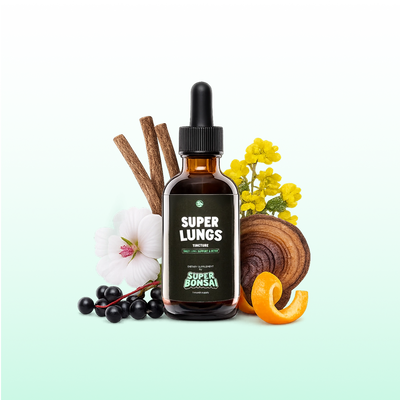
Respiratory formulas combine soothing, immune, and harmonizing herbs aimed at everyday breathing comfort and seasonal resilience. Super Lungs mullein extract with added botanicals is the running example here, a 10:1 liquid extract that layers seven herbs.
1) Mullein Leaf
Mullein is the headline botanical in many lung blends, with a long history as a soothing airway herb. Its mucilage is thought to soothe irritated tissue and its saponins are traditionally credited with loosening mucus. Human clinical trials, opens in a new tab are lacking, so the case for mullein lung supplements rests on traditional use and a plausible mechanism.
2) Black Elderberry
Black elderberry is included for seasonal upper-respiratory and immune support, and it carries randomized human trial backing for that role. Research associates it with milder, shorter seasonal symptoms. It is not a treatment or a preventive for any disease, and regulators have acted against products claiming otherwise.
3) Marshmallow Root
Marshmallow root is a demulcent, rich in mucilage that coats and soothes tissue, traditionally used for throat and upper-airway comfort. The evidence is largely traditional and based on self-reported comfort, so the fair framing is upper-airway soothing rather than deep-lung action.
4) Astragalus Root
Astragalus is an adaptogen with long traditional use for immune resilience and respiratory support. Modern research on its effects is mostly preclinical or done on isolated compounds, so the fair description is immune-modulating support with mechanistic plausibility.
5) Reishi Mushroom
Reishi is an adaptogenic fungus traditionally used for immune balance and respiratory wellness. Its beta-glucans are the proposed mechanism, and it sits best as whole-body immune support that includes the respiratory system. Human respiratory-specific data is limited.
6) Aged Citrus Peel (Chenpi / Tangerine Peel)
Aged citrus peel, known as chenpi, has a traditional role in moving phlegm in systems like Traditional Chinese Medicine. Modern interest centers on its antioxidant flavonoids, though that research is early and largely mechanistic, so the framing is an antioxidant rationale rather than a proven outcome.
7) Licorice Root
Licorice is a traditional soothing and expectorant herb that also harmonizes a blend. One safety point deserves attention: its glycyrrhizin content can raise blood pressure and lower potassium at high or prolonged intake, which matters for anyone managing hypertension. This is exactly why dosing and formulation, opens in a new tab discipline matter.
Herbal Ingredients for Alcohol Recovery
Recovery formulas are built around how the body processes alcohol. The liver breaks ethanol down in two steps, first into acetaldehyde, a toxic intermediate, then into harmless acetate.
The ingredients here are studied for how they support that pathway and the oxidative stress that comes with it. None of them makes drinking safe, and none speeds the liver past its own pace. A before drinking supplement can help prepare the body to process toxins before you begin drinking.
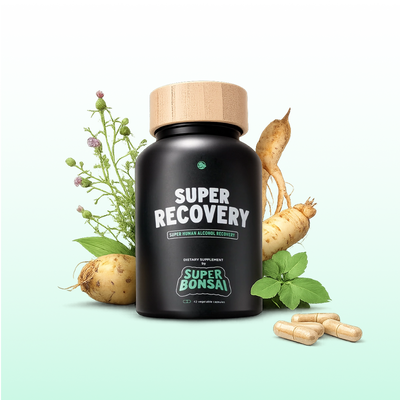
Super Recovery is a useful running example of this roster. It pairs the headline botanical below with a supporting cast of antioxidant herbs and cofactor nutrients.
DHM (Dihydromyricetin)
DHM, a flavonoid from the Japanese raisin tree (Hovenia dulcis), is the signature recovery-pillar ingredient. It has a long history in traditional Chinese herbal medicine and is the active compound in many modern post-drinking products. Researchers study it for antioxidant activity and its role in supporting the enzymes that metabolize alcohol.
The caveat is that the human evidence is still developing. Most of the supportive research is preclinical, in cell and animal models, and controlled human studies on dosing and effect are limited. Describe DHM by what it is studied for, an antioxidant flavonoid researched, opens in a new tab for alcohol-metabolism support, not as a proven remedy.
Aside from being a DHM supplement, the Super Recovery formula leans on familiar antioxidant and anti-inflammatory herbs. Milk thistle appears here for its traditional liver-support role, the same reason it anchors the liver formulas below. Turmeric and ginger contribute antioxidant compounds, prickly pear has been studied for post-drinking discomfort, and Korean panax ginseng is a traditional adaptogen.
A B-vitamin complex and zinc round out the blend as cofactor nutrients, with zinc in particular acting as a component of the alcohol-metabolizing enzyme system.

How These Ingredients Work Together Across the System
Two kinds of synergy are at play. Within a single formula, herbs cover different facets of one goal. In a lung blend, soothing demulcents pair with immune adaptogens and harmonizing herbs, so the blend addresses several aspects of respiratory comfort rather than betting on one mechanism.
Across formulas, the overlap tells a bigger story. Milk thistle, turmeric, and ginger appear in more than one product, which is why we frame recovery, liver, and lung as one connected system rather than three unrelated purchases. Support one pathway and you are often supporting another.
That system view is what the bundles concrete. The Detox Bundle pairs Super Liver and Super Lungs for people focused on liver and respiratory support together.
The common thread is consistency: benefits from any botanical routine accrue over weeks and months, not from a single dose.
What Daily Herbal Support Realistically Looks Like
Realistic expectations make the whole category easier to navigate. A daily botanical routine supports everyday function and resilience. It is not a substitute for medical care, for quitting smoking, or for the treatment of any condition.
The common misconception is worth correcting plainly. The liver and airways clean themselves continuously, so botanicals support that ongoing process rather than purging a stored backlog of toxins. There is no sludge waiting to be flushed, in the liver or the lungs.
The factors that move health most are not herbs at all. Hydration, a decent diet, not smoking, cleaner air, and regular activity do the heavy lifting. Botanicals are a complement to those habits, not a replacement.
For people who want to go deeper on the plants themselves, the Natural Medicines Guide eBook, opens in a new tab is a fuller botanical reference, and the Naturopathic Cooking Guide eBook, opens in a new tab connects the food side of that picture.
A daily routine suits people looking for steady, everyday support. Some should check with a clinician first, including anyone on blood-pressure medication, anyone pregnant or nursing, and anyone taking immunosuppressants. Herbs can interact with medications, so a quick word with a healthcare provider settles it.

Choosing a Quality Herbal Supplement
Pull the guide together into a short decision checklist. When you are comparing botanical products, the green flags are consistent:
-
Named plant parts on the label, rather than a vague herb name
-
A disclosed extract ratio, so you know the concentration
-
Third-party testing for heavy metals, pesticides, and microbials
-
Transparent sourcing and clear, structure/function claims
-
Healthy skepticism toward any "cure" or "detox overnight" language
Form factor matters for adherence more than people expect. A liquid tincture, a capsule, and a tea all deliver botanicals, but the best form is the one you will take every day.
A closing word on safety, because this is a health category. Use these products for structure and function support, and see a healthcare professional for any persistent symptoms. Dietary supplements are not evaluated by the FDA to diagnose, treat, cure, or prevent any disease.
The Bottom Line
Across recovery, liver, and lung, the discipline is the same. The herbs that recur in our formulas at SuperBonsai each bring a traditional role and varying depths of modern evidence, and the most useful guide describes them by what they do rather than ranking them against each other.
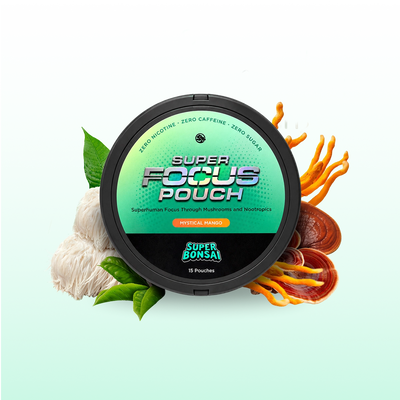
DHM for alcohol metabolism, mushrooms in our focus pouches, milk thistle and dandelion for liver support, mullein and elderberry for the airways: same evidence-led frame, same daily-support purpose.
Read the label before you read the marketing. A named plant part, a disclosed extract ratio, and third-party testing tell you more than any front-of-bottle promise. Pair a quality botanical routine with the basics that move health, and treat the supplement as the support it is.
Disclaimer: These statements have not been evaluated by the Food and Drug Administration. This product is not intended to diagnose, treat, cure, or prevent any disease.