
Prickly pear shows up in juice aisles, taco shops, and supplement labels, often described three different ways at once. The confusion has a simple cause: one cactus produces two different foods, and the research on each tells a different story.
The flat pads and the pink fruit carry different nutrients, and the studies behind the benefit claims used different parts and preparations. Sorting that out is the fastest way to understand the real prickly pear benefits, and which form fits the reason you're curious about it.

What Prickly Pear Actually Is
Prickly pear is the common name for the prickly pear cactus, plants in the Opuntia genus, most often Opuntia ficus-indica. The plant produces two edible foods. The flat paddles, called nopales or nopal, are eaten as a vegetable. The pear-shaped fruit growing along their edges goes by tuna, cactus pear, or prickly pear fruit.
That naming mess explains why benefit lists elsewhere contradict each other. A study on nopales gets quoted as a fruit benefit, a fruit finding gets pinned on the juice, and the reader ends up with claims that belong to entirely different foods.
Opuntia grows across Mexico, the American Southwest, and the Mediterranean, where both the pads and the fruit have been part of everyday cooking and traditional Mexican herbal practice for centuries.
What's Inside: Nutrients and Plant Compounds
The two halves of the plant carry different payloads. The fruit brings pigments and natural sugars. The pads bring mucilage, a thick soluble fiber, with less sugar and fewer calories. Most of the benefits below trace back to one side or the other.
Fiber, Magnesium, and Vitamin C
A cup of raw prickly pear fruit runs about 61 calories, with roughly 5 grams of dietary fiber and around 20 milligrams of vitamin C, according to USDA-based nutrition data.
For a fruit, the mineral profile stands out. Per 100 grams, prickly pear delivers about 77 milligrams of magnesium and 118 milligrams of calcium, among the highest figures recorded for any fruit, with meaningful potassium alongside.
Cooked nopales are the leaner half: lower in sugar and calories than the fruit, with a higher share of soluble, mucilaginous fiber. The fruit splits its fiber between insoluble forms, much of it in the seeds, and soluble forms. That split drives both the blood sugar and digestion effects covered below.
Betalains and the Pigment Antioxidants
The magenta and yellow-orange colors come from betalains, nitrogen-containing pigments split into two groups: betacyanins like betanin, and betaxanthins like indicaxanthin.
Betalains are scarce in the food supply. Red beets and prickly pear are the primary edible sources, which makes this fruit one of the few dietary routes to these particular antioxidants.
Pigment intensity tracks with betalain content, so color is information. Green-white, yellow-orange, and deep red-purple varieties differ meaningfully in antioxidant load. The fruit also supplies vitamin C, flavonoids such as quercetin derivatives and isorhamnetin, and taurine, an amino acid rarely found in plants.
One honest limit: most betalain research measures activity in lab settings or absorption in small human studies. The compounds are real and measurable in blood after eating the fruit. What they mean for long-term health outcomes remains an open question.
Blood Sugar, Cholesterol, and Metabolic Markers
The metabolic research is the most developed body of evidence on prickly pear, and most of it was done on the pads rather than the sweet fruit. Keep that in mind through this whole section, because findings from one part of the plant don't automatically apply to the other.
Blood Sugar and the Pads
The proposed mechanism starts with the mucilage. That viscous, soluble fiber slows how quickly food leaves the stomach and how fast glucose gets absorbed, which flattens the rise in blood sugar after a meal. Some evidence also points to effects on insulin sensitivity.
Human studies have measured post-meal blood sugar response when cooked pads or nopal preparations were eaten with a meal, along with fasting glucose in adults with elevated blood sugar. A 2019 systematic review found the clearest effects with cooked pads consumed alongside food, while fruit and juice showed weaker, less consistent results, a pattern also seen in individual trials.
The trials were small and short, and they used different preparations and doses, so results don't transfer automatically from one form to another. Eating the fruit or drinking the juice isn't the same intervention those studies tested.
This is dietary support, plain and simple. If you take glucose-lowering medication or insulin, talk with your clinician before adding significant amounts of prickly pear to your routine.
Cholesterol and Blood Pressure
Research has also looked at LDL and total cholesterol, with modest reductions reported in some studies. Two mechanisms are plausible: soluble fiber and pectin binding cholesterol in the gut, plus naturally occurring phytosterols.
The mineral side helps too. Magnesium, potassium, and calcium each play established roles in normal blood pressure regulation, and prickly pear supplies all three in unusual amounts for a fruit.
Effect sizes are modest, and they show up most clearly as part of an overall dietary pattern rather than from any single food.
Digestion, Fiber, and Regularity
Prickly pear works both sides of the fiber equation. The insoluble fiber, concentrated in the fruit's seeds and skin, adds bulk. The soluble mucilage adds viscosity, holds water, and softens stool. Together they support regularity in a way few single foods manage.
Early research has also explored whether the mucilage acts as a prebiotic, feeding beneficial gut bacteria. The human data here is preliminary, so treat it as a possibility rather than a proven benefit.
A practical note before you eat three at once: the fiber load is real. A large first serving can produce loose stools or more frequent trips to the bathroom, per Mayo Clinic guidance. Start with one fruit or a modest portion of nopales and let your gut adjust.
Hydration and the Morning After Drinking
The fruit is about 85 percent water and the pads closer to 90, and the mucilage holds onto that water as it moves through you. Add the magnesium and potassium and you get a food with a real hydration story.
Then there's the study people eventually ask about. A small randomized, placebo-controlled trial gave a standardized prickly pear extract, at a defined 1600 IU dose, five hours before drinking. Participants reported less nausea, dry mouth, and loss of appetite the next morning.
The proposed mechanism had nothing to do with alcohol itself. The researchers measured C-reactive protein, an inflammation marker, and found it lower in the extract group, pointing to a dampened inflammatory response.
The limits matter. It was one trial of 64 people. The effect covered that symptom subset, with no change in other symptoms or overall severity. And it used a concentrated, standardized extract at a set dose, so the finding doesn't apply to eating the fruit, drinking the juice, or sipping cactus water.
Nothing in that study touches intoxication, how your body metabolizes alcohol, what causes hangover symptoms, or the risks of drinking. Prickly pear doesn't change any of those, and no supplement makes drinking safe or consequence-free.

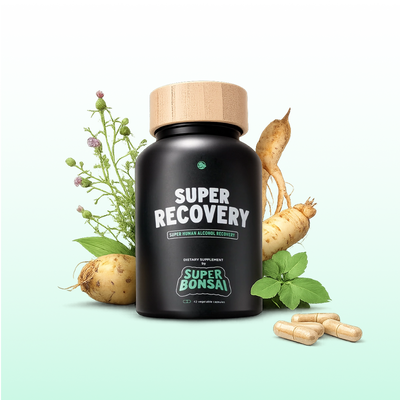
The extract detail explains how the ingredient gets used in practice. Prickly pear is one of the eight ingredients in Super Recovery, taken before drinking alongside dihydromyricetin, milk thistle, turmeric, ginger, Korean panax ginseng, a B-vitamin complex, and zinc. Each ingredient does a different job in the formula, and prickly pear's role follows the research: extract form, taken beforehand. We break down every botanical across our formulas in our complete ingredient guide, and Super Recovery sits in our hangover supplements collection.
For the fuller picture of what your body is doing during and after drinking, our guide to how alcohol affects your liver walks through the process step by step.
Inflammation and Oxidative Stress
In lab studies, betalains and the fruit's polyphenols show antioxidant and anti-inflammatory activity, meaning they neutralize free radicals and influence markers tied to the body's inflammatory response.
There's a small amount of human data. In one study, healthy adults who ate fresh fruit pulp daily for two weeks showed reduced markers of oxidative stress in their blood. That's 18 people and marker changes, so read it as a promising signal.
Marker changes aren't the same as health outcomes, and this is the least mature of the benefit areas covered here. The fruit supports the body's antioxidant defenses; the bigger claims haven't been tested.
Fruit, Pads, Juice, Extract: What Each Form Delivers
Each form suits a different purpose. The fruit delivers pigments and sweetness, while the pads carry low-sugar fiber and most of the metabolic evidence. Juice keeps the color but sheds the fiber, and extract concentrates specific compounds at defined doses.
Eating the Fruit
The real hazard is the glochids, the nearly invisible hair-like tufts dotting the skin, which lodge in fingers and lips far more readily than the large spines do. Handle whole fruit with gloves or tongs, singe or scrub the glochids off, then slice the ends and peel the thick skin away.
Inside, the flesh tastes like watermelon crossed with a mild pear, with some varieties leaning toward bubblegum sweetness. The seeds are edible but hard. Some people swallow them whole, others spit them out, and eating large quantities can slow digestion.
Cooking the Pads
Fresh nopales get de-spined, diced, and cooked: grilled whole, boiled and folded into scrambled eggs, or tossed into salads, tacos, and soups. Pre-diced, they're often sold as nopalitos. Cooked, they taste mildly tart, somewhere near green beans.
They release a slippery mucilage as they cook. Rinsing well, grilling instead of boiling, or cooking them with onion tames the texture.
The pads are also the form most of the blood sugar research used. If the metabolic findings are what drew you to prickly pear, nopales are the version those studies describe.
Juice, Cactus Water, and Syrups
Juicing keeps the betalains and some minerals while removing most of the fiber and concentrating the sugar. Whole fruit and juice diverge more than the shared name suggests.
Read labels closely in this category. Sweetened cactus water drinks add sugar to an already sweet base, and commercial nopal juices are often blended with pineapple, orange, or grapefruit. Syrups, jellies, and margarita mixers belong in the dessert-and-cocktail category; treat them as flavor.
Concentrated Extracts and Supplements
Extracts concentrate specific compounds from the plant into defined, repeatable doses, which is why the pre-drinking research used this form. Standardization is the point: a study result only means something if you can take the same preparation at the same amount.
On a supplement label, look for the plant part used, the extract ratio, and third-party testing. “Prickly pear” alone on an ingredient panel doesn't tell you whether it came from the fruit or the pads. Our own approach, third-party testing with the concentration stated, is what that transparency looks like in practice.
How Much Prickly Pear, and How Often
There's no official serving guidance for the fruit. Most people do well starting with one per day and watching how their digestion responds, given the fiber and seed load. A cup or so of cooked nopales is a typical serving. For extract, no established dose exists outside the amounts used in specific studies.
One distinction clears up most of the confusion in this category. Eating the fruit or pads regularly is a dietary pattern, where the fiber, mineral, and antioxidant contributions accumulate over weeks. Taking a standardized extract before drinking is a situational practice tied to a single occasion, with its own separate, narrower evidence.
One prickly pear won't flush your system, and that was never how the plant works. The dietary benefits come from consistency, while the extract research comes from a defined dose at a defined time. That's the timing we built Super Recovery around, taken before drinking rather than after.
Who Should Be Careful With Prickly Pear
At higher intakes, the common side effects are digestive: loose stools, more frequent bowel movements, abdominal fullness, and occasionally nausea or headache.
If you take glucose-lowering medication or insulin, loop in your clinician before adding significant prickly pear. The plant may add to those medications' blood sugar-lowering effects, and a published case report documents exactly that interaction.
Anyone on blood pressure medication can mention it to their provider too, given the mineral content. For pregnancy and breastfeeding, there isn't enough data to establish safety, so skip concentrated forms and check with your provider first.
One harmless surprise: the fruit's pigments can temporarily tint urine or stool red. It fades on its own and doesn't signal a problem.
These statements have not been evaluated by the Food and Drug Administration. This product is not intended to diagnose, treat, cure, or prevent any disease.
Common Questions About Prickly Pear
What are the side effects of prickly pear?
Mostly digestive and dose-dependent: loose stools, more frequent bowel movements, abdominal fullness, and occasionally nausea or a headache at higher intakes. Introducing the fruit or pads gradually prevents most of it. The pigments can also tint urine or stool red temporarily, which looks alarming and isn't.
How many prickly pears should you eat in a day?
Start with one and see how your digestion responds before going higher. The fiber and hard seeds are the limiting factors, and a large first serving is the most common cause of loose stools. There's no official daily recommendation, so consistency matters more than quantity.
Is it safe to eat prickly pear raw?
Yes, once the glochids and skin are off. The fine hair-like tufts on the skin are the hazard, so handle whole fruit with gloves or tongs. The flesh is eaten raw everywhere the plant grows. The seeds are hard but edible; spit them or swallow them whole.
Can you drink prickly pear water?
Yes, but read the label. Pure prickly pear juice keeps the pigments and some minerals while losing most of the fiber. Many bottled cactus waters add sweeteners, and blended nopal juices often include pineapple or orange. If the pigments are what you want, whole fruit delivers more.
What's the difference between prickly pear, nopal, and cactus pear?
One plant, different parts. Nopal, or nopales, means the flat pads, eaten as a vegetable. Cactus pear, tuna, and prickly pear fruit all name the sweet fruit. “Prickly pear” by itself can mean the whole plant, which is why labels and research need a closer read.
Is prickly pear good for the liver?
Its antioxidants are being studied for general cellular protection, but liver support has its own botanicals and its own research. If that's your focus, start with our guides on how to detox your liver and signs your liver is detoxing.
What did the prickly pear extract and alcohol study find?
A small placebo-controlled trial gave a standardized extract five hours before drinking and reported less nausea, dry mouth, and loss of appetite the next morning, likely through a lower inflammatory response. It didn't change other symptoms, and it says nothing about alcohol's risks or metabolism.
Matching the Form to the Benefit
The pads carry the metabolic evidence and the low-sugar fiber, while the fruit brings the betalains, the minerals, and the flavor. Juice is a partial version of the fruit. Extract is the form the pre-drinking research used, at concentrations food can't match.
Pick the form that matches what you want from the plant, introduce it gradually, and keep expectations tied to what the studies measured. A plant this specific doesn't need superfood framing to be useful.
Disclaimer: These statements have not been evaluated by the Food and Drug Administration. This product is not intended to diagnose, treat, cure, or prevent any disease.