
You got a full night in bed and still woke up wrecked: pounding head, dry mouth, a stomach that wants nothing to do with breakfast. There's a real biological explanation for all of it, and it's more specific than "you drank too much."
Understanding what causes a hangover means understanding what your body was doing overnight. The answer runs through your liver, your hormones, your immune system, and your sleep, and each piece explains something different about the morning after.
One expectation up front: some of what you feel responds to fluids, food, and rest, and some of it only responds to time. Knowing which is which is most of the value here.

What Actually Causes a Hangover
A hangover is several biological effects overlapping at once: dehydration and electrolyte loss, a buildup of acetaldehyde (a toxic byproduct of alcohol metabolism), stomach irritation, disrupted sleep, an inflammatory immune response, a dip in blood sugar, and a rebound in brain excitability as alcohol leaves your system.
Underneath all of them is the same fact: your body is still finishing the job of processing alcohol, and the symptoms are the cost of that work plus the collateral from the night before.
The timing surprises most people. Symptoms begin as your blood alcohol content (BAC) falls and peak around the time it returns to zero, which is why the worst of it arrives the next morning instead of while you're drinking.
How Your Body Processes Alcohol
Alcohol is absorbed through your stomach and small intestine, enters the bloodstream, and travels to your liver, which breaks it down in two steps.
Step one: an enzyme called alcohol dehydrogenase (ADH) converts ethanol into acetaldehyde, a reactive compound considerably more toxic than alcohol itself. Step two: aldehyde dehydrogenase (ALDH2) converts acetaldehyde into acetate, which your body clears as carbon dioxide and water.
The bottleneck: your liver processes roughly one standard drink per hour, and that rate is largely fixed. Drink faster than that, and acetaldehyde accumulates while the queue clears.
A standard drink is smaller than most pours:
-
12 ounces of regular beer (about 5% alcohol)
-
5 ounces of wine (about 12%)
-
1.5 ounces of distilled spirits (about 40%)
That definition matters because a generous cocktail or a strong IPA can count as two. If your liver clears one per hour, a heavy pour quietly doubles the workload.
How long alcohol stays detectable depends on the test:
-
Blood: up to roughly 12 hours
-
Breath: up to roughly 24 hours
-
Urine: from about 12 hours up to five days, depending on the test type
Detection windows measure leftover traces, and they outlast the point where you feel normal again. Your liver runs this kind of processing continuously, alcohol or no alcohol; we've covered what that ongoing work looks like in our post on the signs your liver is detoxing.
Why Some People Get Worse Hangovers Than Others
Genetics sets part of it. Some people carry a variation in ALDH2 that clears acetaldehyde more slowly, and the flushing response many people of East Asian descent experience is that variation made visible. It's a real difference in alcohol metabolism, and building tolerance doesn't change it.
Body composition and biological sex change how alcohol distributes through body water. Some medications compete for the same liver enzymes. Food in your stomach slows absorption, which is why drinking on an empty stomach hits harder.
Age matters too, though the mechanism is less settled. Lighter sleep, lower body water, more medications, and slower recovery capacity all plausibly contribute to hangovers feeling rougher over the years.
The Systems Under Strain the Morning After
Dehydration and Electrolyte Loss
Alcohol is a diuretic because it suppresses vasopressin, the hormone that tells your kidneys to hold onto water. That's why urine output climbs sharply after a few drinks, and it answers the perennial question of why alcohol makes you pee so much.
The fluid you lose carries sodium, potassium, and magnesium with it. That combination produces thirst, dry mouth, dizziness when you stand up, and part of the headache.
One correction, though: dehydration contributes, but it doesn't explain the whole hangover. Research hasn't found electrolyte disruption tracking with how bad people feel, which is why rehydrating alone rarely resolves the rest.
It's also why plain water often falls short on its own: it restores volume without restoring the electrolytes that left with the fluid.
Acetaldehyde Buildup
When intake outpaces the ALDH2 step in the pathway above, acetaldehyde circulates instead of clearing, and elevated acetaldehyde is associated with nausea, sweating, flushing, and a rapid heartbeat.
A hangover is, in large part, your body finishing a chemical job it couldn't keep up with in real time.
Acetaldehyde is a well-established contributor, but researchers still debate how much of total hangover severity it accounts for.
Stomach and Gut Irritation
Alcohol aggravates the stomach lining and ramps up gastric acid production. Depending on the dose, it can also speed up or slow down gastric emptying. That's the source of the queasiness, stomach pain, and missing appetite the next day.
There's also a gut-inflammation piece, which feeds into the immune response covered below rather than acting on its own.
Disrupted Sleep
Alcohol helps you fall asleep faster, then takes the favor back. It suppresses REM sleep and fragments the second half of the night, so eight hours in bed can still leave you unrested.
This is the strongest explanation for next-day fatigue, brain fog, and irritability, symptoms most people never connect to sleep quality. The 4 a.m. wake-up with a racing heart belongs to the same rebound, and it connects to the anxiety section below.
Inflammation and the Immune Response
Alcohol triggers the release of inflammatory signaling molecules called cytokines, and studies have found hangover severity correlating with inflammatory markers like IL-6, TNF-alpha, and CRP.
That immune response is why a rough hangover feels systemic: muscle aches, malaise, sensitivity to light and sound, trouble concentrating. It's one of the better-supported severity mechanisms in the research, though the correlation isn't perfectly consistent across studies.
Blood Sugar and Energy Dips
While your liver is busy clearing alcohol, it deprioritizes its other job of maintaining steady glucose output, so blood sugar can dip. Shakiness, weakness, and sudden hunger follow. It's a real mechanism, though a smaller share of the experience than the ones above.
Hangxiety: Why Anxiety Spikes the Next Day
While alcohol is in your system, it stimulates GABA, your brain's main calming signal, which normally works in balance with glutamate, its stimulating counterpart.
Your brain adjusts to that calming push while you drink. So when the buzz wears off, the balance rebounds the other way, and NIAAA notes people can feel more restless and anxious than they did before the first drink.
That rebound is the physiological basis of hangxiety: the restlessness, racing pulse, and low-grade dread that can arrive the morning after, sometimes in people who felt fine the night before.
The feeling is your brain re-balancing its own signaling, and it eases on the same general timeline as the rest of the hangover.
What Congeners and Drink Choice Change
Congeners are byproducts of fermentation and aging, and darker drinks like bourbon, brandy, and red wine carry more of them than clearer ones like vodka and gin.
In one controlled comparison, bourbon produced more severe hangover ratings than vodka at the same dose, while total alcohol consumed had a considerably stronger effect than congener content. Drink choice is a modifier, and the amount matters far more.
Mixers play a small role too. In one small study, most participants absorbed alcohol faster with a carbonated mixer, though not everyone did.
How Long a Hangover Lasts
Symptoms typically peak as blood alcohol nears zero and resolve within roughly 24 hours, with severe cases running longer.
The timeline makes sense once you know the mechanisms. Acetaldehyde clearance takes the time it takes, and nothing shortcuts it on demand. Fluid and electrolyte status, blood sugar, and rest respond to what you do.
Supporting Your Body With Proper Nutrients and Hydration
Water does its job best with electrolytes along for the ride. Sodium, potassium, and magnesium move fluid where your body needs it, which is why water plus minerals does more for you than volume alone.
If plain water gets boring, our liver detox drink recipes are built on the same idea: everyday drinks that bring nutrients along with the fluid. If you need more support, a pre-alcohol supplement is meant to help your body prepare and avoid the hangover.
Nutrients set the baseline the same way. B vitamins help your body pull energy from food, zinc supports hundreds of enzymes across cellular metabolism, and regular meals with steady carbohydrates keep your energy from swinging through the day.
Botanicals fit into that kind of routine too. Ginger has solid support for nausea generally. Milk thistle, turmeric, and prickly pear are traditional-use botanicals with mechanistic rationale in a supportive role, and each one gets a full writeup in our guide to every herb in our formulas.

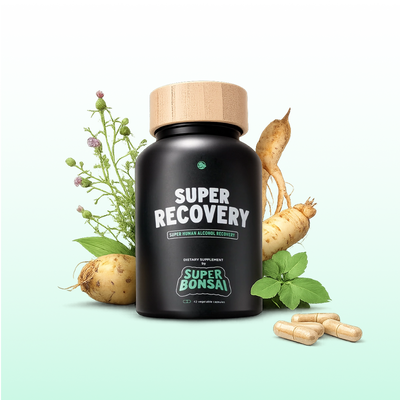
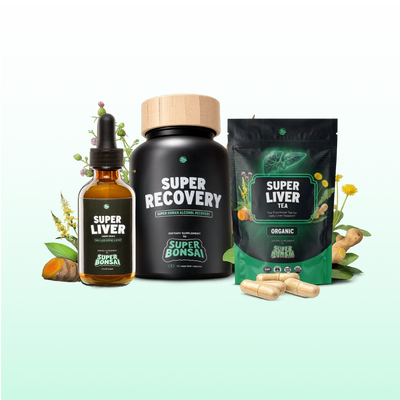
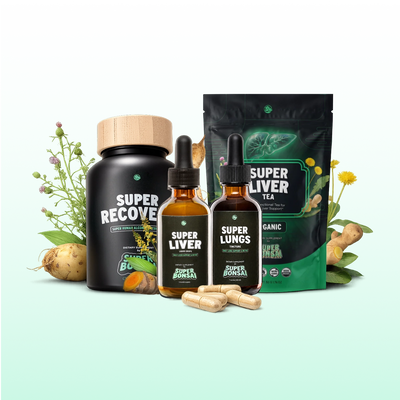
Our Super Recovery combines several of these in one doctor-formulated blend: DHM, milk thistle, turmeric, prickly pear, ginger, Korean panax ginseng, zinc, and a B-vitamin complex.
It anchors our Drinker's Duo, and it sits alongside our daily formulas in the Healthy Habits Bundle.
As with any supplement, the job is supporting normal function. Consistency does more than any single serving.
When It's More Than a Hangover
Some signs point past a hangover to a medical emergency: confusion, vomiting that won't stop, seizures, slow or irregular breathing, pale or bluish skin, or a person who can't be woken. Mayo Clinic draws that line clearly: these signs mean emergency care, right away. Don't wait it out.
Separately, if your hangovers are frequent, severe, or getting rougher over time, bring that pattern to a healthcare provider.
What to Do With All This Biology
A hangover is your body completing the chemical work of processing alcohol, and each symptom traces back to a system carrying part of that load.
Once you see it that way, the practical picture gets clearer. Pacing is the only move that acts on the bottleneck itself, and time does the part nothing else can.
Keep the hour-per-drink math in mind, and give your body the raw materials it uses to do its own work. The process runs either way. You decide how big the job is.
Disclaimer: These statements have not been evaluated by the Food and Drug Administration. This product is not intended to diagnose, treat, cure, or prevent any disease.