

Search berberine benefits and you'll get a familiar list: blood sugar, cholesterol, weight, gut health. What most of those pages skip is the mechanism that ties the list together, and it changes how you should read every item on it.
This guide covers what berberine is, how it behaves in your body, and what the research has measured. That includes why so much of the action happens in your gut, and what that means for your liver.
If you're already building a routine around daily liver support, berberine is one of the more consequential ingredients to understand, and one of the easiest to misread.

What Berberine Is and Where It Comes From
Berberine is an alkaloid, a bitter yellow compound that certain plants produce in their roots and bark. It's a plant compound rather than a vitamin or mineral, and there's no single "berberine plant" to point to. Practitioners of traditional Chinese medicine and Ayurvedic medicine used berberine-rich roots for centuries before any lab measured what the compound does.
Modern research focuses on how berberine behaves inside cells, which is why its studied effects span glucose metabolism, cholesterol, digestion, and the liver at the same time. The activity is systemic.
The Plants It's Extracted From
The main botanical sources are barberry (Berberis vulgaris), goldenseal, Oregon grape, tree turmeric, Chinese goldthread, and phellodendron. Berberine is the reason several of these roots are visibly golden-yellow, and the compound has even been used as a natural dye.
Supplements are standardized extracts of these plants, never the whole herbs. A whole-herb powder and a standardized extract can differ enormously in how much berberine they deliver, which matters when you compare labels.
Berberine HCl vs. Other Forms
Berberine hydrochloride, usually listed as berberine HCl, is the form used in nearly all clinical trials and most berberine supplements on the market. You'll also see berberine sulfate, dihydroberberine, and liquid or tincture preparations.
The HCl salt improves stability and handling. The form question matters far less than absorption, which gets its own section below.
How Berberine Works Inside the Cell
Most berberine articles jump straight to a list of possible benefits. The list makes more sense once you understand the mechanism, because one compound keeps appearing in glucose, lipid, and body-composition research for a single underlying reason.
Berberine acts upstream. It interacts with the systems cells use to manage energy, which is why the downstream effects appear in several places at once instead of in one organ.
AMPK and Cellular Energy Signaling
AMPK, short for AMP-activated protein kinase and sometimes called the body's "metabolic master switch," is a cellular sensor that responds when energy runs low. When AMPK activates, cells shift toward using fuel instead of storing it. Exercise and caloric restriction engage the same pathway.
In cell and animal research, berberine activates AMPK. One caveat applies to the whole mechanism story: most of this pathway work is preclinical. Human trials measure outcomes like glucose and lipid markers, so read AMPK as the proposed explanation, and some cell studies suggest AMPK-independent activity exists too.
Berberine also interacts with gut bacteria and bile acid signaling. Researchers now consider that a second mechanism in its own right, and it explains much of what follows.
Why the Gut Comes First
Berberine is poorly absorbed. Pharmacokinetic research puts its absolute oral bioavailability below 1 percent, largely because the intestine eliminates and pumps back out much of a dose before it reaches circulation.
That reads like a weakness until you follow where the compound goes: most of an oral dose stays in the digestive tract, in direct contact with the gut.
What happens in the gut reaches beyond it. Your intestine and your liver are directly connected, a relationship we'll develop below, and it's the reason a poorly absorbed compound can still matter for liver support.
Berberine's Studied Benefits
Most berberine trials are small, relatively short, and conducted in people with existing metabolic conditions. That shapes how the findings translate to a generally healthy reader.
Blood Sugar and Insulin Sensitivity
Glucose metabolism is berberine's most-studied territory. In a widely referenced 2008 trial, adults with a diagnosed metabolic condition took 500 mg three times daily for three months, and their fasting blood glucose and related markers improved over the study period.
Meta-analyses pooling more than a dozen similar trials have reported consistent directional findings. The same analyses note the methodological quality of many included studies was low.
The proposed mechanism runs through AMPK: better insulin sensitivity, more glucose uptake by cells, and less glucose production in the liver. Participants in these trials had diagnosed conditions, and effects in people with already healthy glucose levels are far less studied. None of this makes berberine a stand-in for prescribed medication.
Cholesterol and Triglycerides
A 2023 meta-analysis of 18 placebo-controlled studies reported reductions in LDL ("bad") cholesterol and triglycerides with berberine, characterized the effects as small, and called for larger trials. Movement in HDL ("good") cholesterol was less consistent across the research.
The proposed mechanism differs from how statins work. Berberine appears to increase LDL receptor expression, helping cells pull more LDL out of circulation, while statins block cholesterol synthesis upstream. Effect sizes vary across trials, and the lipid research runs shorter than clinicians would like.
Body Composition and Metabolic Markers
You've probably seen berberine called "nature's Ozempic." That framing came from social media, and both the magnitude and the mechanism are different, so the comparison sets expectations the research can't meet.
On weight management, the studies report modest changes in body weight, BMI, and waist circumference in people with existing metabolic conditions, over months of use, generally alongside dietary changes. Those changes appear to follow improved metabolic signaling, which is exactly why the pharmaceutical comparison misleads.
The Gut Microbiome and Digestive Balance
Remember that most of a berberine dose stays in the gut. Animal research suggests it interacts with gut bacterial populations and short-chain fatty acid production, and a human trial published in Nature Communications found its metabolic effects were mediated partly through gut bacteria and bile acid signaling.
Traditional practice points the same direction. Berberine-rich roots were used for digestive complaints centuries before microbiome science existed. The caveat here is real: microbiome research is early, and responses vary a lot from person to person.
The microbiome thread also explains why the categories in this section overlap so much. Metabolic signaling and gut bacteria influence each other constantly.
Inflammatory and Antioxidant Activity
Berberine has shown antioxidant activity and effects on inflammatory markers, mostly in preclinical work, with human data measuring lab values more than how people feel. This thread connects the metabolic findings to the liver findings more than it stands on its own.
Berberine and the Liver
The liver is where berberine's metabolic and digestive activity converge.
The Gut-Liver Axis
Everything absorbed through your intestine travels first to your liver through the portal vein. Your liver meets your gut's output before the rest of your body does.
That's why berberine's gut-level activity is relevant to liver function even though little of the compound reaches general circulation. Its influence on gut bacteria and bile acid signaling lands on the liver's doorstep.
A poorly absorbed compound can still matter to the liver because the gut and the liver share a direct line.
What Liver Research Has Measured
Small studies in people with existing metabolic conditions have examined liver enzyme levels and related liver health markers, including a 2016 meta-analysis pooling six randomized trials. The populations are specific and the findings describe measured markers, nothing more sweeping. Hold this one loosely.
Reading the Liver-Safety Question Honestly
A lot of people search whether berberine is hard on the liver. The honest answer is a question of dose, form, and interactions. Berberine inhibits several CYP450 enzymes in humans after repeated dosing, and those are the liver enzymes that process many common medications.
That makes this an interaction question, and it matters most for people taking prescription drugs, because berberine can change how those drugs are metabolized. Direct harm to liver tissue is not the established concern. If you take any regular medication, this is the most practical reason to talk to your healthcare provider before adding berberine.
Berberine Compared With Prescription Options
The comparison people ask about most is berberine versus metformin, because both engage AMPK. The overlap is real, and so are the differences: dose, absorption, regulatory oversight (a dietary supplement is regulated far more loosely than a prescription drug), the volume of evidence behind each, and the clinical supervision that comes with a prescription.
A supplement is never a substitute for prescribed medication. Combining berberine with glucose-lowering or blood-pressure medication is a real interaction surface, so that decision belongs in a conversation with your clinician.
The more useful frame is what berberine is for on its own terms: a botanical used consistently as part of a daily routine, evaluated as a supplement.
Absorption: The Variable That Changes Everything
If people report wildly different experiences with berberine, absorption is usually the explanation. With bioavailability under 1 percent, the form you take, the amount, and the consistency of use matter more for berberine than for most supplements.
Research on improving uptake is still young. A small crossover pilot compared standard berberine with dihydroberberine, a modified form built for better absorption. And the trial protocols that shaped the research, including the 2008 trial, split the daily amount into smaller servings taken around meals.
Delivery format is the other variable. Capsules, standardized extracts, and liquid preparations move the compound into your digestive tract in different ways.

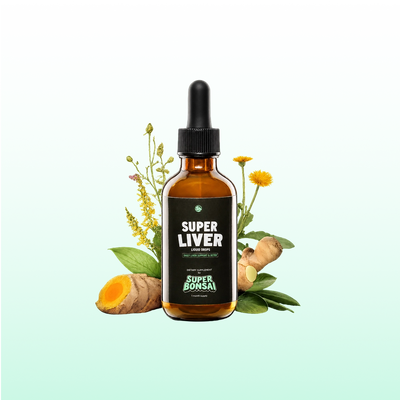
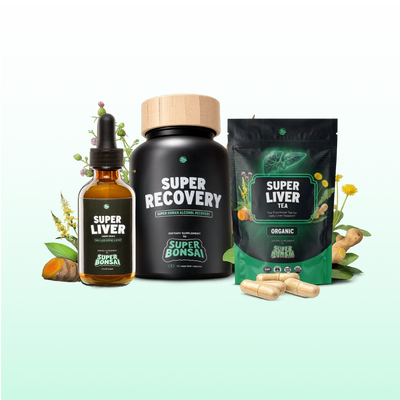
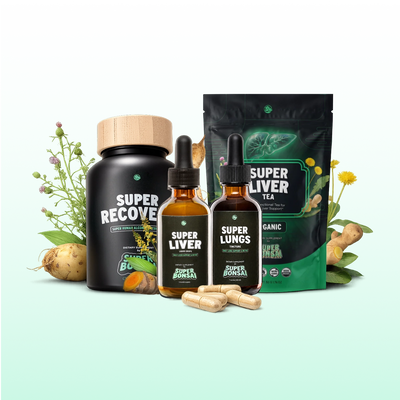
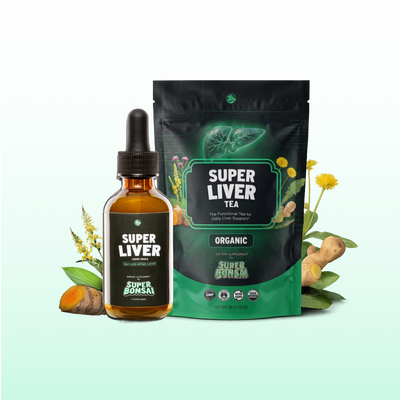
As a worked example from our own shelf, Super Liver approaches the problem with a concentrated liquid tincture: a 10:1 extract taken as drops, one formulation approach among several. We covered how liquid formats handle absorption in more depth in our milk thistle liquid drops guide.
Dose, Timing, and Form
Across the clinical literature, daily amounts typically land between 500 and 1,500 mg, divided into two or three servings. Trials divided the amount for two reasons: large single servings are more likely to cause digestive upset, and taking it around meals matched the metabolic timing the studies measured.
When you're reading a label, look for the standardization percentage, full per-ingredient amounts, and third-party testing. Transparent sourcing is a quality signal too. Our Super Liver drops follow that pattern: a concentrated botanical preparation, third-party tested, with every herb's amount listed on the label.
How Long Before You Notice Anything
Timelines depend on what you're watching. Digestive changes may register within weeks. The metabolic marker changes reported in research were measured over 8 to 12 weeks or longer of consistent use, and shorter trials rarely found much at all.
That timeline says something about what berberine is. Research studies it as a sustained-use compound, firmly on the daily-support side of the line, far from any two-week crash cleanse. Expecting a fast reset misreads the evidence.
A reasonable review point is around three months. If you've been consistent and notice nothing you care about by then, that's useful information, and lab work with your provider tells you more than day-to-day impressions.
Who Should Be Careful With Berberine
Pregnancy and breastfeeding come first. Berberine crosses the placenta and can cause serious harm in newborns, a risk institutional safety resources state plainly. Don't use berberine during pregnancy or while breastfeeding, full stop.
Anyone taking glucose-lowering medication, blood-pressure medication, statins, or other drugs metabolized through CYP450 pathways should talk with their provider first, because berberine changes how those enzymes work.
At higher amounts, the common side effects are digestive: cramping, diarrhea, constipation, sometimes gas or nausea. Divided dosing is the usual response, and starting low while your body adjusts makes the transition easier.
And don't assume natural means side-effect-free.

How Berberine Works Alongside Other Liver Botanicals
Traditional formulas rarely used berberine alone, and the logic holds up. Different botanicals act on different parts of the same system, a division of labor rather than a competition:
-
Berberine covers metabolic signaling and gut-level activity
-
Milk thistle provides antioxidant support at the liver cell level
-
Dandelion and chicory root support bile flow and fat digestion
-
Turmeric and ginger root support a healthy inflammatory response
-
Yellow dock root assists elimination pathways
Each covers a different job inside the same system, which is why traditional formulations combined them instead of isolating one. Our Super Liver formula follows that combination logic, with seven herbs and berberine among them.
For the ingredient-by-ingredient background on each botanical, our complete guide to the herbs in our formulas goes deeper than this section can.
Common Questions About Berberine
What happens when you take berberine every day?
In research settings, daily use over 8 to 12 weeks is where measurable changes appeared, mostly in glucose and lipid markers among people with existing metabolic conditions. Day to day, the most common experience is some digestive adjustment early on. Consistency matters more than any single dose.
What's the downside of taking berberine?
Digestive side effects are the most common: cramping, diarrhea, constipation, or nausea, usually at higher amounts. The more serious consideration is drug interactions, since berberine affects the enzymes that process many medications. And it's off the table entirely during pregnancy and breastfeeding.
What should you avoid while taking berberine?
Avoid combining it with glucose-lowering or blood-pressure medication without a clinician's guidance, and count any regularly prescribed drug as a reason to check first. Avoid large single servings if your stomach is sensitive; smaller divided servings with meals are the standard approach in the research.
What organ does berberine help most?
The research points to the gut and the liver as the front line. Most of an oral dose stays in the digestive tract, and everything your gut absorbs reaches your liver first, so those two organs see the most direct activity. Berberine's studied metabolic effects flow from there.
Can you take berberine with milk thistle?
Yes, they're commonly combined in liver formulas because they do different jobs. Berberine works on metabolic signaling and the gut, while milk thistle's silymarin provides antioxidant support at the liver cell level. Traditional and modern formulas pair them for exactly that reason.
Is berberine the same as goldenseal or barberry?
No. Goldenseal and barberry are plants, and berberine is a compound found in both, along with several other botanicals. A goldenseal supplement contains berberine plus everything else in the plant, while a berberine supplement delivers only the standardized, isolated compound.
Berberine on Its Own Terms
Berberine's story is more interesting than the headlines around it. It's a poorly absorbed plant alkaloid whose activity starts in your gut, reaches your liver first, and shows up in research as modest, measurable change over months of consistent use.
If you decide it belongs in your routine, approach it that way: a daily habit, taken with meals, reviewed after a few months, and cleared with your provider if you take any medication. That's the berberine the research describes, and it fits a liver detox routine built on daily support instead of crash cleanses.
Disclaimer: These statements have not been evaluated by the Food and Drug Administration. This product is not intended to diagnose, treat, cure, or prevent any disease.