




Dietary supplements are no longer a niche health product. They are part of everyday life for the majority of American adults.
More than six in ten U.S. adults now use a dietary supplement. Nearly four in ten use two or more. And the market supporting that behavior is valued at nearly $70 billion — projected to more than double by 2033.
This report draws on publicly available CDC health data, consumer surveys, and market research to examine how supplement use has grown, what is driving it, and where the category is heading.

Key Highlights
-
60.2% of U.S. adults aged 20 and older used a dietary supplement in the past 30 days, per CDC/NCHS data
-
66.1% of adult women used a dietary supplement, compared with 53.9% of adult men
-
38.7% of U.S. adults used two or more dietary supplements in the past 30 days
-
Adult supplement use increased from 53.8% in 2013–2014 to 60.2% in 2021–2023
-
The U.S. dietary supplements market was valued at $68.74 billion in 2025, projected to reach $131.08 billion by 2033 at an 8.5% CAGR
-
75% of Americans use dietary supplements, per CRN's 2024 Consumer Survey
-
91% of supplement users say supplements are essential to maintaining their health
-
71% express loyalty to their chosen supplement brands
-
The top reasons for supplement use are overall health and wellness (42%), immune health (30%), and energy (27%)
-
Magnesium use among supplement users rose from 19% in 2023 to 23% in 2024; melatonin rose from 10% in 2020 to 16% in 2024
-
McKinsey estimates the U.S. wellness market represents more than $500 billion in annual spend, growing 4–5% annually
Supplement Use Is Now Mainstream
Dietary supplement use has crossed into majority behavior among American adults.
CDC/NCHS data from August 2021 through August 2023 found that 60.2% of U.S. adults aged 20 and older used a dietary supplement in the past 30 days.
Women lead in usage: 66.1% of adult women used a supplement, compared with 53.9% of adult men.
Usage also increases significantly with age. 46.3% of adults aged 20–39 used a supplement, rising to 60.3% among adults aged 40–59, and 75.9% among adults aged 60 and older.
CRN's 2024 Consumer Survey puts the figure even higher, finding that 75% of Americans use dietary supplements, a number that reinforces just how embedded supplement use has become in everyday health behavior.
Most Supplement Users Take More Than One Product
Supplement use is not typically a single-product habit. For a significant share of Americans, it is a multi-product routine.
CDC/NCHS data show that 38.7% of U.S. adults used two or more dietary supplements in the past 30 days. 23.9% used three or more, and 15.4% used four or more.
Among adults aged 60 and older, multi-supplement use is even more common: 56.4% used two or more, 39.9% used three or more, and 26.5% used four or more.
The pattern suggests that for many consumers, supplements are not a standalone purchase. They are part of a layered, ongoing wellness routine built around multiple products and health goals.
Supplement Use Has Grown Consistently Over Time
The current prevalence of supplement use is not a sudden shift it reflects a decade of steady growth.
CDC/NCHS trend data shows that adult use of any dietary supplement increased from 53.8% in 2013–2014 to 60.2% in 2021–2023.
Multi-supplement use has grown even faster. Adult use of two or more supplements rose from 30.9% to 38.7% over the same period. Youth use of two or more supplements increased from 6.4% to 11.3%.
The long-term trend points clearly in one direction: more Americans are taking supplements, and those who do are building more complex routines over time.
The U.S. Supplement Market Continues to Expand
Market data confirms the commercial scale of what consumer behavior surveys are reflecting.
Grand View Research estimates the U.S. dietary supplements market was worth $68.74 billion in 2025 and is projected to reach $131.08 billion by 2033, an 8.5% CAGR from 2026 to 2033.
Growth drivers identified by Grand View Research include rising health consciousness, an aging population, lifestyle-related health concerns, and growing interest in preventive wellness.
Vitamins remain the largest category, accounting for 28.1% of U.S. dietary supplement revenue in 2025. But growth is also being driven by ecommerce online supplement sales are projected to grow at a 9.6% CAGR from 2026 to 2033, as well as protein and amino acids, which are projected to grow at a 12.5% CAGR over the same period.
Supplement Spending Is Resilient and Recurring
CRN's 2024 Consumer Survey paints a picture of committed, habitual spending.
91% of supplement users say supplements are essential to maintaining their health. 71% express loyalty to their chosen supplement brands.
Median monthly supplement spend rose from $48 in 2023 to $50 in 2024. Among supplement users who purchase through healthcare practitioners, the median monthly spend reaches $100.
These figures suggest supplements occupy a different part of the consumer budget than discretionary purchases. For the majority of users, they are a recurring essential, not something that gets cut when spending gets tighter.
Why Americans Take Supplements
CRN's consumer research gives a clear picture of what is driving supplement use.
The top motivations are overall health and wellness (42%), immune health (30%), and energy (27%).
Beyond these leading categories, the wider supplement market also includes products positioned around sleep, digestion, stress, fitness, beauty, hydration, and targeted daily wellness support.
The breadth of motivations reflects how the category has evolved from general vitamins and minerals into a diverse range of function-led products serving specific consumer health goals.
Specialty Supplements Are Growing Fast
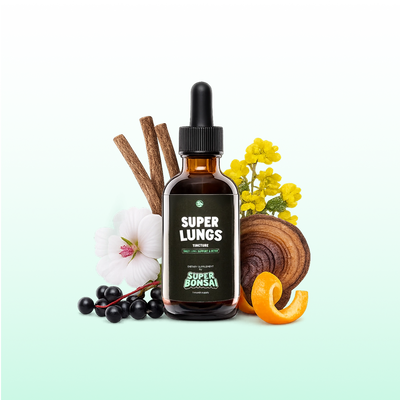
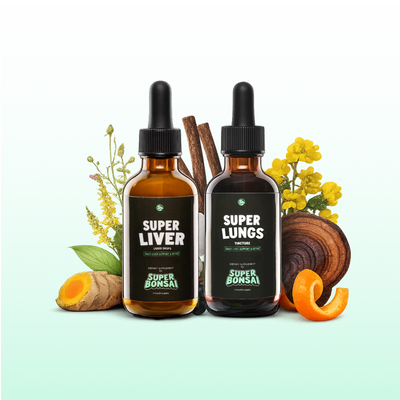
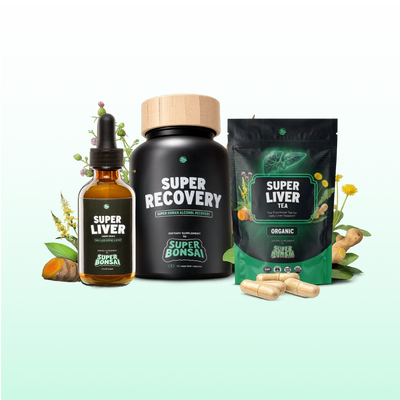
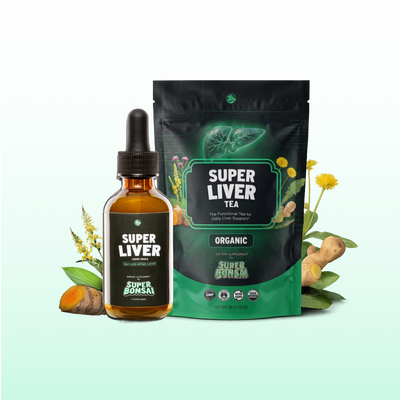
One of the clearest trends within the supplement market is the growth of more specific, targeted categories like supplements for liver health or lung support supplements.
CRN data shows that magnesium use among supplement users rose from 19% in 2023 to 23% in 2024. Prebiotic use rose from 5% to 7% over the same period. Ashwagandha use increased from 2% of supplement users in 2020 to 8% in 2024. Melatonin use rose from 10% in 2020 to 16% in 2024.
Each of these products serves a specific wellness function sleep, stress, gut health, muscle support and their growth reflects how consumers are becoming more targeted and intentional in how they approach their supplement routines.
The shift from general vitamins toward function-led specialty products is one of the most significant structural changes in the supplement market over the past decade.
Supplements Sit Within a Much Larger Wellness Economy
The supplement category does not exist in isolation. It is part of a far broader shift toward everyday wellness spending.
McKinsey estimates the U.S. wellness market represents more than $500 billion in annual spend and is growing at 4–5% per year. McKinsey's wellness research covers six major consumer dimensions: health, sleep, nutrition, fitness, appearance, and mindfulness all areas where supplement products play a role.
Globally, the picture is even larger. The Global Wellness Institute reported that the global wellness economy reached $6.8 trillion in 2024, growing 7.9% from 2023 to 2024. The U.S. is the largest wellness market globally, valued at $2.1 trillion in 2024.
The wellness economy has doubled since 2013, and supplements are one of its most consistent, high-participation categories.
Sources
Disclaimer: These statements have not been evaluated by the Food and Drug Administration. This product is not intended to diagnose, treat, cure, or prevent any disease.