

If you're asking how long you should take milk thistle to detox your liver, you're probably picturing a set course. A few weeks of drops or capsules, a finished cleanse, done. That timeline model comes from cleanse marketing, and your liver runs on a completely different schedule.
Milk thistle is a daily support botanical. Both the research and centuries of traditional use point toward ongoing, consistent intake. Duration, when to reassess, and what long-term use looks like all follow from that.

How Milk Thistle Fits Liver Support
Milk thistle (Silybum marianum) is a spiky purple flower in the daisy family. Its seeds contain silymarin, the main constituent of milk thistle extract, a mixture of flavonolignan compounds that includes silibinin.
Mayo Clinic describes silymarin as believed to have antioxidant properties. In practical terms, that puts milk thistle in a supporting role alongside your liver's own detoxification pathways.
That word "own" matters. Your liver detoxifies continuously, moving compounds through its Phase I and Phase II pathways all day, every day. A supplement's job is to support the organ doing that work.
Antioxidants help defend cells against the everyday stress of processing what passes through the liver, which is why milk thistle shows up in so many daily liver formulas.
Milk thistle belongs firmly in the daily support camp, not the crash cleanse one.
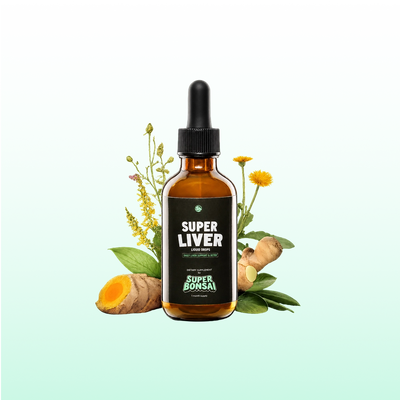
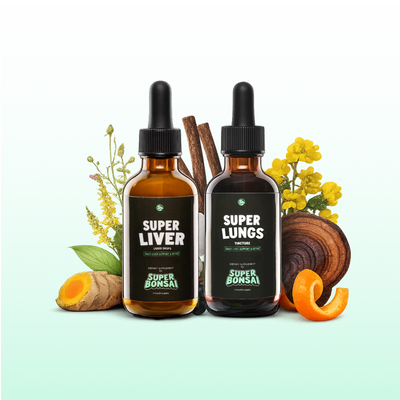
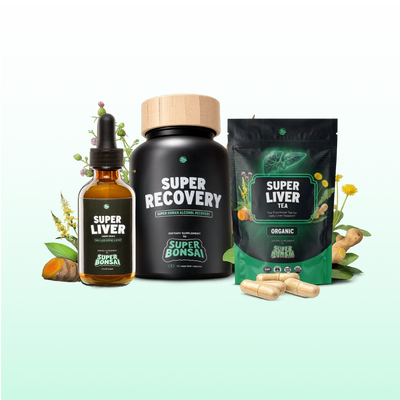
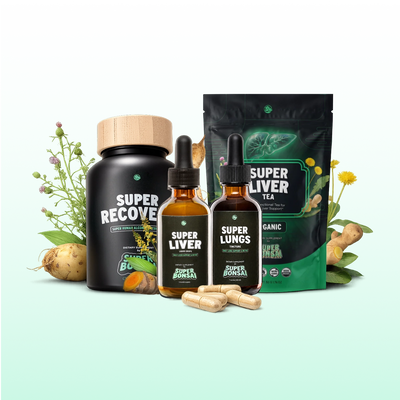
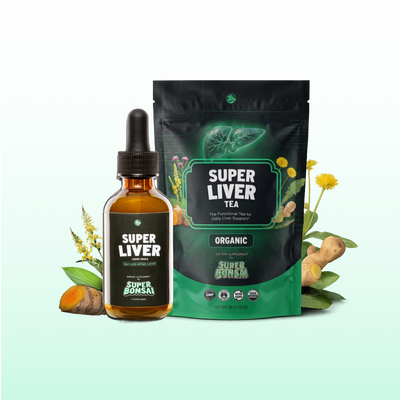
That's the model we built Super Liver around: milk thistle liquid extract as one of seven botanicals in a formula built for daily use, the same way you'd approach any other consistent wellness habit.
What "Detoxing Your Liver" Really Means
In a supplement context, "detox" means supporting the liver's ongoing work. The organ processes what you eat and drink continuously.
Most people typing "how long to detox" are really asking two more useful questions. How long until I notice a benefit? And how long should milk thistle stay part of my routine?
One thing to state plainly: There's no clinical concept of a milk thistle detox cycle with a defined endpoint. The evidence and the traditional use both describe ongoing support for normal liver function. A purge with a finish line doesn't appear anywhere in the research.

How Long Should You Take Milk Thistle?
There's no single number, because duration follows your goal. Someone building a general wellness routine, someone supporting their liver through a defined stretch, and someone settling into long-term maintenance will each land on a different answer.
If you're supporting your liver through a specific window, a heavy travel season or a stretch of more social drinking than usual, your timeline is that window plus a buffer on either side. If you're building a baseline habit, there's no window to work backward from, and the timeline is open-ended by design.
As a practical framework, give any new dietary supplement a few consistent weeks. That's enough time to lock in the habit, and some people report subjective shifts in digestion or energy within that window. Those experiences vary from person to person and aren't guaranteed.
From there, most traditional and modern use treats milk thistle as an ongoing daily botanical. There's no standard stop date. Herbalists have worked with milk thistle seeds this way for centuries, and modern formulas are built for the same steady rhythm.
That long history is part of why the herb is still a liver-support staple. Milk thistle has been used for well over a thousand years, and it remains one of the more widely studied liver botanicals in modern research.
Some people notice nothing dramatic at all, and that's normal for a support botanical. The National Center for Complementary and Integrative Health reports that human research on milk thistle is limited and mixed, so treat any subjective changes as a bonus.
Several variables shape your personal answer:
-
The silymarin content and standardization of your milk thistle extract
-
How consistently you take it
-
Your baseline liver health
-
The load your diet and alcohol intake place on the organ
Dosage varies by formula too, so follow the label you're holding. Two products can list the same milk thistle weight and still deliver different amounts of silymarin. The standardization figure on the label is what tells you how much you're getting.
Signs It May Be Time to Reassess
Check in with a healthcare professional if you've taken milk thistle consistently for a sustained period and noticed no benefit, if new symptoms show up, or if you're using it to self-manage a suspected liver condition. That last one belongs with a doctor, full stop.
Reassessing doesn't always mean stopping. It can mean checking your product's silymarin standardization against the label, moving the dose to a meal with more fat in it, or tightening up the days you've been skipping.
The same goes for anyone with a diagnosed liver condition or on prescription medication. Duration decisions in those situations are clinical calls, and a blog post is the wrong place to make them.
Is It Safe to Take Milk Thistle Long-Term?
Asking "how long" naturally raises the follow-up: is indefinite use okay? The safety picture is reassuring. Milk thistle has been well tolerated in studies of extended use, with mild digestive side effects like nausea or diarrhea the most commonly reported issues.
Two caveats keep that in proportion. Much of the long-term data comes from liver-disease trial populations, and the pool of human research, while meaningful, has real limits. So the accurate frame is "well tolerated in available studies," and that's the one to carry.
Mayo Clinic notes that milk thistle might affect the CYP2C9 enzyme and the drugs it processes, including diazepam and warfarin, and that it might lower blood sugar in people who have type 2 diabetes. If you take prescriptions, run it past your doctor or pharmacist first.
A few groups should consult a professional before starting:
-
Anyone pregnant or breastfeeding
-
Anyone allergic to ragweed or other plants in the Asteraceae family
-
Anyone with existing liver disease
For most healthy adults, though, the practical answer on indefinite use is that milk thistle is generally treated as a long-term daily botanical. Cycling on and off isn't standard practice. If you tolerate it well and it fits your routine, there's no built-in reason to stop at a set date.
Periodic check-ins with your doctor, especially if your health or medications change, keep that decision sound over time.
And the standard supplement framing applies here as everywhere. Milk thistle supports normal liver function. It isn't intended to diagnose, treat, cure, or prevent any disease, and no supplement changes what alcohol does to your body.
Getting the Most From Milk Thistle
Consistency beats intensity. A moderate daily serving taken for months lines up with how the liver works, which is where the crash-versus-support distinction pays off in practice.
Formulation decides how much silymarin you absorb. Look for standardized extracts that state their silymarin content, and remember that silymarin is fat-soluble, so taking it with a meal that includes healthy fats helps absorption. Many people anchor it to dinner for that reason.
Quality control deserves a look too. NCCIH points to concerns about the chemical and microbiological quality of milk thistle products sold in the US, including silymarin amounts that differ from the label and contamination with pesticides or mycotoxins. Third-party testing and GMP-certified manufacturing are how a brand answers that.
Liquid tinctures offer an alternative to capsules or tablets if pills are a barrier. Our earlier post on milk thistle liquid drops goes deeper on the liquid format and how it fits a daily liver support routine.
Companion botanicals round out a formula. Super Liver pairs milk thistle with dandelion root, turmeric, berberine, ginger, chicory root, and other herbs, each included for its own role in supporting normal liver function. They work as complements, and no single herb carries the formula alone.

If you'd rather sip your routine, Super Liver Tea is a milk thistle tea that folds the same daily-support thinking into a drinkable format. You can also try homemade liver detox drinks that use similar ingredients.
One more thing to keep in view: no supplement offsets alcohol. Limiting how much you drink, eating well, hydrating, and getting real sleep are the foundation, and milk thistle works alongside those habits.
Milk Thistle vs. a "Liver Cleanse"
A juice flush or aggressive short cleanse promises to empty the liver in days, while consistent botanical support backs the organ's normal function over months and years. Only one of those matches how the organ works.
A rapid cleanse can't reset or empty your liver, because there's nothing stored up to empty. The organ handles compounds as a continuous process, so there's no backlog for a short intervention to clear.
Marketers sell cleanses as finite events with before-and-after photos, while daily support runs quietly in the background of your normal week. Reframed that way, the original question answers itself: take milk thistle for as long as daily liver support belongs in your routine.
Taking Milk Thistle for the Long Run
Milk thistle rewards consistency. Start with a standardized supplement, take it daily with a meal, give it a few weeks before judging, and loop in your doctor if you take medications or have a liver condition
Disclaimer: These statements have not been evaluated by the Food and Drug Administration. This product is not intended to diagnose, treat, cure, or prevent any disease.