
You felt fine last night. This morning, less so. Behind that familiar fog, your liver has been working through the alcohol you gave it, one drink at a time, on a schedule it sets and you can't rush.
That work is the reason the liver takes more strain from drinking than any other organ. If you've searched for liver recovery after drinking, you're really asking two questions: what's happening in there right now, and what helps.
This piece answers both, with the science kept honest and the hype left out.

How Alcohol Affects the Liver
The liver handles the majority of alcohol metabolism, which is exactly why it absorbs most of the wear. Roughly 90% of the alcohol you drink is processed here, at a steady pace of about one standard drink per hour that nothing reliably speeds up.
That processing runs in two steps. An enzyme converts ethanol into acetaldehyde, a toxic intermediate, and a second enzyme then converts acetaldehyde into acetate, which the body clears more easily. The pathway is well mapped by the NIAAA, opens in a new tab.
The acetaldehyde stage is where most of the cellular stress happens. As a reactive compound, acetaldehyde is harder on liver cells than either the ethanol it came from or the acetate it becomes, which is why this middle step carries the load in research on alcohol metabolism.
Processing alcohol also generates reactive oxygen species and draws down glutathione, an antioxidant the liver relies on. Research on hepatic oxidative stress, opens in a new tab ties this to the CYP2E1 pathway, which becomes more active with heavier and more sustained intake.
None of this means a single night out has injured your liver. It means the organ is doing labor, and labor leaves it with cleanup to do. Nothing here implies any product makes drinking safe or consequence-free.
What “Liver Recovery After Drinking” Actually Means
Recovery is a word that hides two very different timelines. Sorting them out is the difference between a realistic expectation and a disappointed one.
Short-term recovery: hours to days
In the day or two after drinking, your body is clearing the last of the acetaldehyde, rehydrating, and restoring blood sugar and electrolytes. This is ordinary metabolic processing finishing its job, not a flush of stored waste.
That distinction matters. The liver clears compounds continuously and doesn't hold a backlog of toxins waiting to be purged on demand. The “feeling better tomorrow” you're after is mostly hydration, rest, and time letting normal function catch up. There's no shortcut that speeds the underlying chemistry along.
Longer-term resilience: weeks to months
The deeper kind of recovery runs on habits, not hours. Reduced intake, decent sleep, and steady nutrition give liver tissue and enzyme function the conditions to stabilize over weeks and months.
The liver is the body's great regenerator, the one major organ that can rebuild functional tissue after damage. That capacity holds as long as drinking patterns ease enough to let hepatocytes repair faster than they're stressed.

What Liver Support Actually Looks Like
Here's the distinction this whole article turns on. There's a difference between a crash flush and daily support, and most “liver detox” marketing blurs the two on purpose.
Crash protocols, juice cleanses, and “purge your toxins overnight” promises don't match how the liver works. They assume a backlog the organ doesn't keep, and a reset the organ doesn't need. The fad is the problem here, not the broader idea of supporting your liver's own detox pathways with consistent habits.
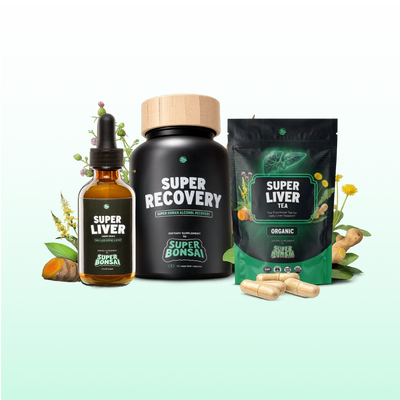
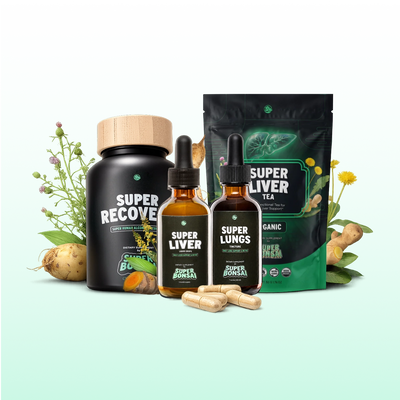
Real support is quieter and more boring. It looks like hydration, nutrition that supplies what the liver uses, alcohol-free days, and sleep. You can see the full lineup of liver support products built around that daily-input idea rather than the overnight-reset one.
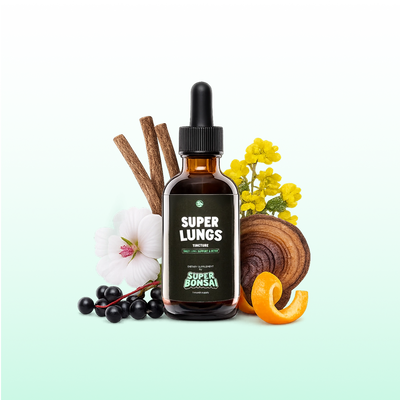
If you’re interested in pairing respiratory health with liver, our Detox Bundle pairs liver and lung support into a single ongoing routine. The point of any of these is consistency over time, not a one-time event.
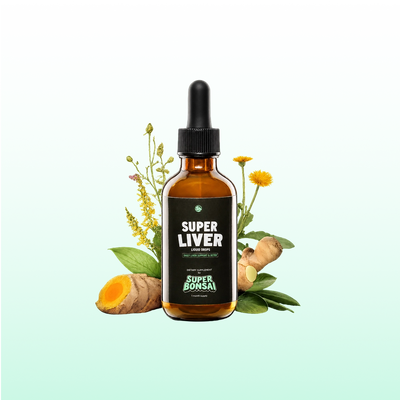
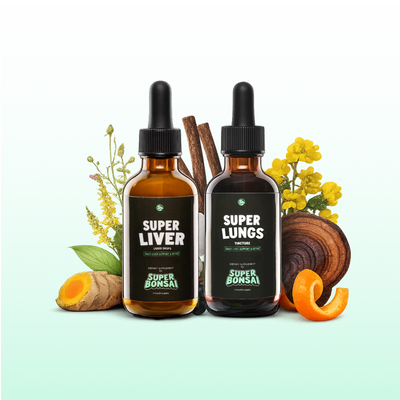
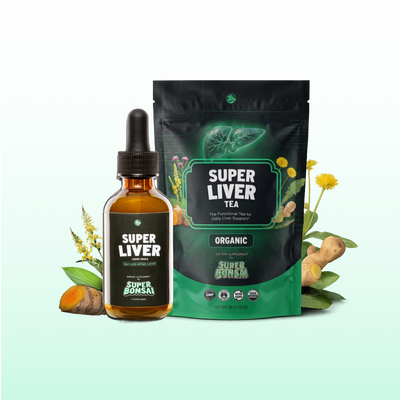
Botanical support belongs in this picture as one consistent input among several. A formulated option like Super Liver drops combines milk thistle, dandelion, and other herbs as part of a daily routine.
The same idea shows up in Super Liver Tea, in a format some people find easier to keep up. Think of either one as a habit alongside the others, not a button that resets the organ.
Habits and Inputs That Help the Liver Recover
If short-term recovery is mostly time, longer-term resilience is mostly choices. These are the levers with the most evidence behind them.
Nutrition and hydration
Water and electrolytes do the unglamorous work of helping your body process and clear alcohol's byproducts. Beyond fluids, the liver draws on specific nutrients to do its job.
Foods that supply antioxidant and methylation support give the liver raw material for the glutathione it spent during processing. Leafy greens, cruciferous vegetables, adequate protein, and omega-3 sources like salmon, chia, and flax are the practical staples here. A nutrient-rich diet does more for liver function over time than any single quick fix.
Time and reduced load
The most reliable variable isn't a food or a supplement. It's drinking less, less often, and giving the liver alcohol-free stretches to catch up.
Spacing out drinking occasions outperforms any single intervention because it removes the stressor rather than trying to offset it. “Less and less often” is unglamorous advice, and it's also the one that the evidence supports most consistently.
Botanical and supplement support
A few herbs come up again and again when people research liver support, and they're worth understanding on their own terms.
Milk thistle, whose active compound is silymarin, is known for antioxidant activity associated with liver support, a traditional use the NCCIH, opens in a new tab traces back generations.
Human clinical trials for liver disease haven't shown clear benefit, so the honest framing is structure and function support, not treatment. If you want a deeper look at this herb, our guide to milk thistle liquid drops goes further.
Dandelion, or Taraxacum officinale, is known for a long tradition of liver-support use backed by preclinical antioxidant and hepatoprotective activity, as a research review describes. Prickly pear has been studied to lessen the inflammatory response after drinking.
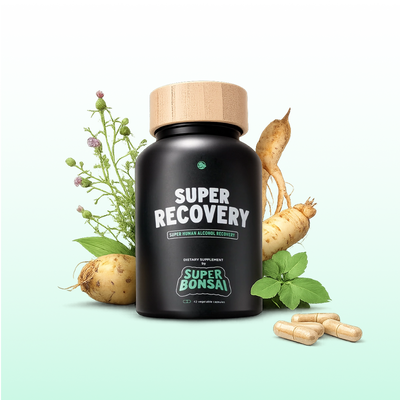
DHM supplements have been found to help the liver recover from acetaldehyde, the toxic byproduct your liver produces when it breaks down alcohol, which causes a lot of common hangover symptoms.
Much of that evidence is animal and laboratory work, so it sits as traditional use with mechanistic plausibility. Each herb is studied for what it brings on its own, and a formula like Super Liver combines them as daily inputs rather than competing remedies.
What the Liver Can and Can't Bounce Back From
The liver's regenerative reach is real, and it has limits. Knowing where the line sits keeps expectations honest.
Early fatty changes in the liver, the kind tied to recent heavy intake, often respond to reduced drinking and better habits. This is the reversible end of the spectrum, where the organ's repair capacity does the heavy lifting once the stressor eases.
Scarring is a different story. When repeated injury outpaces repair, scar tissue replaces working tissue, and fibrosis can progress toward cirrhosis, which is largely irreversible. The stages of alcohol-related liver disease run from fatty liver to alcoholic hepatitis to cirrhosis, and the reversible window narrows at each step.
None of this is medical advice, and a supplement doesn't treat liver disease. Persistent symptoms or real concern about your drinking warrant a conversation with a clinician, not a self-guided fix.
How to Tell If Your Liver Is Under Strain
The hard part about liver strain is that it's often quiet. The liver has no pain nerves of its own, so serious damage can build with few early signals, which is why “I feel fine” isn't proof of much.
When signs do appear, people commonly search for things like persistent fatigue, brain fog, jaundice, abdominal discomfort, or changes in appetite. These are reasons to reduce your alcohol load and check in with a professional, not symptoms a supplement is meant to resolve.
These signals often show up late, after strain has been building for a while. That's the case for spacing out drinking well before any symptom appears, rather than waiting for your body to send a warning.
The clearest read on liver health comes from testing, not guesswork. Liver enzymes and a standard liver panel give a clinician real data, which beats trying to self-diagnose from how you feel on a given morning.

The Bottom Line
Liver recovery after drinking runs on two clocks. The short one is mostly hydration, rest, and time as your body finishes processing the night before. Pre-alcohol supplements can assist with this process. The long one is the one that matters more, and it runs on reduced intake, steady nutrition, sleep, and consistent support.
That's where the crash-flush idea falls apart and daily habits win. Your liver doesn't need an overnight purge of toxins it never stored. It needs conditions that let its own repair keep pace, day after day. Botanical support fits as one of those daily inputs, alongside the water, the food, and the alcohol-free stretches that do the real work.
Disclaimer: These statements have not been evaluated by the Food and Drug Administration. This product is not intended to diagnose, treat, cure, or prevent any disease.