
Your liver runs a quiet, constant cleanup operation. It filters your blood, breaks down what you eat and drink, and clears compounds your body doesn't need, all day, every day, without a signal from you.
So where do drinks fit in? Not as a switch that turns detox on, but as a steady supply of hydration and plant compounds your liver's own pathways can put to work. That's the honest frame for every recipe below, and it's the one worth keeping as you read.

How Drinks Support Your Liver
The liver handles over 500 jobs and clears substances as it goes, rather than storing a backlog of toxins waiting to be purged on demand. There's no reservoir sitting inside you that a weekend flush empties out.
That matters because it separates two very different ideas. One is the crash juice cleanse that promises to purge toxins fast. The other is consistent daily support: good hydration, whole-food inputs, and botanicals your liver can use over time.
The first doesn't hold up. The second is where drinks earn their spot. A glass of something hydrating and plant-rich won't flush your liver clean, but it can supply water and compounds that fit into how the organ already works.
These recipes support your liver detox; they don't reset it. They're a pleasant way to build one more good habit into your day.
What Makes a Liver-Supporting Drink Work
A few things separate a drink that supports your liver from one that's marketing in a mason jar. Look for these:
-
Real hydration: Water is the base your liver and kidneys rely on to move waste out. Most liver-supporting drinks are hydration first, everything else second.
-
Polyphenols and antioxidants: Colorful plant compounds help counter oxidative stress, one of the pressures liver cells face.
-
Bitter botanicals: Herbs traditionally used to support digestion and bile flow, like dandelion and chicory, add function beyond flavor.
-
Low added sugar: Excess fructose works against your liver, so a juice loaded with sweetener sets you back instead of helping.
Here's the honest read on the star ingredients you'll see across recipes:
-
Milk thistle (silymarin): Human studies have looked at whether it shifts liver-enzyme markers, with results that are still limited and not fully consistent. Its antioxidant activity gives it a plausible supporting role.
-
Dandelion: A traditional bitter herb long used to support digestion and bile flow, with human evidence still developing. It brings a real bitter-tonic function to a glass.
-
Ginger and turmeric: Both carry antioxidant and anti-inflammatory activity. Curcumin, turmeric's active compound, absorbs poorly on its own, which is why the pepper pairing below matters.
-
Green tea (catechins): Antioxidant catechins with reasonable evidence at moderate, regular intake. Brewed tea is the gentle route; concentrated extracts are a different story, covered later.
-
Lemon, citrus, and beet: Hydration, vitamin C, and plant pigments. Keep the expectations modest and the portions sensible.
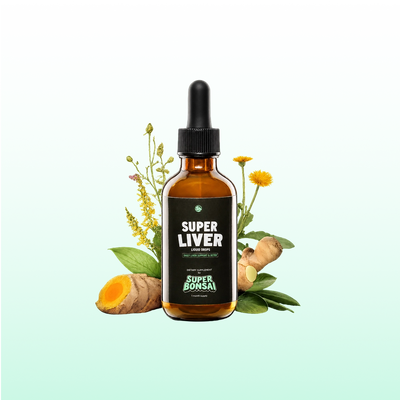
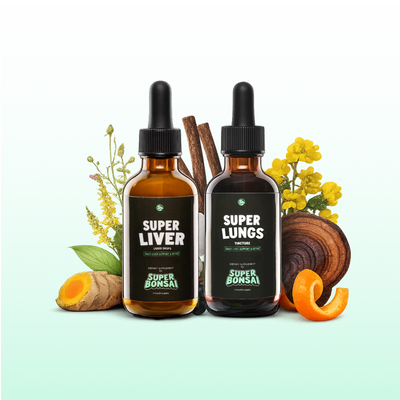
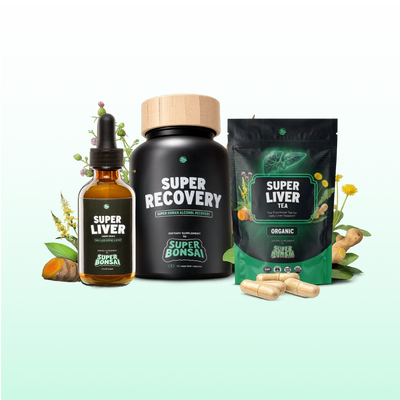
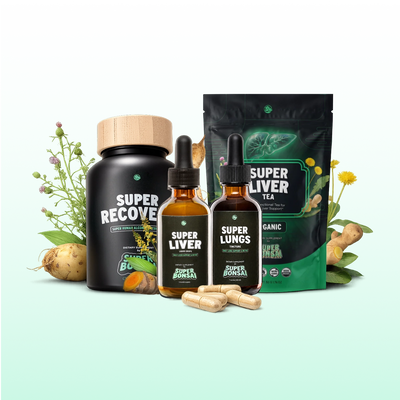
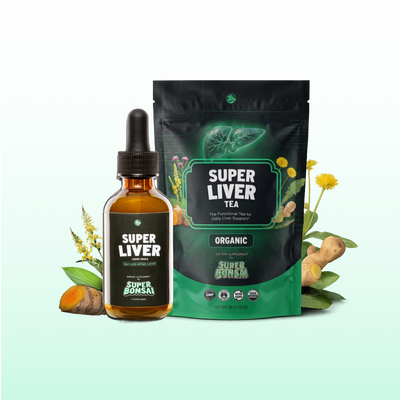
If sourcing and steeping a rotating cast of herbs sounds like a lot, that's fair. Super Liver Tea is one ready-made way to get consistent botanical support without measuring out individual roots each morning. It sits alongside the wider range of plant-based supplements we make for people who'd rather not DIY every day.

The Best Liver Detox Drink Recipes
This is the heart of it. Each recipe below is simple, hydrating, and built around ingredients your liver's pathways can use. None of them is a flush. All of them are easy to fold into a daily routine, which is the part that counts.
Lemon and Ginger Morning Tonic
A warm, hydration-first start to the day with a gentle bitter and warming edge.
-
1 cup warm water
-
Juice of half a fresh lemon
-
1 teaspoon freshly grated ginger
Warm the water without boiling it. Stir in the lemon juice and grated ginger, let it sit for a minute or two, then sip. Drinking it before your coffee gives you a hydrating base first thing.
Its value is the routine it builds. It starts your morning with water and a little plant compound, and it tastes bright enough to keep you coming back.
Green Tea and Citrus Cooler
Catechins and vitamin C in a refreshing, iced format for later in the day.
-
2 cups brewed green tea, cooled
-
Juice of half a lemon or orange
-
A few fresh mint leaves (optional)
-
Ice
Brew the green tea, let it cool, then combine with the citrus juice and mint over ice. Steeping the tea for two to three minutes keeps it smooth rather than bitter.
The catechin benefit here is tied to moderate, consistent intake, the kind you get from drinking brewed tea regularly. Treat it as a cup-a-day habit and skip the idea that more is automatically better.
Beet, Carrot, and Ginger Juice
A colorful, antioxidant-rich juice with an earthy-sweet flavor.
-
1 medium beet, peeled and chopped
-
2 carrots, chopped
-
1-inch piece of ginger
-
Juice of half a lemon
Run everything through a juicer, or blend and strain. Beets bring betaine and plant pigments, carrots add beta-carotene, and the ginger and lemon keep it lively.
One honest note: juicing concentrates natural sugar and strips fiber. Keep portions modest, treat it as an occasional glass rather than an all-day sipper, and you get the color and micronutrients without overdoing the sugar.
Dandelion Root Tea
A bitter, coffee-adjacent infusion that leans on dandelion's traditional digestive role.
-
1 to 2 teaspoons roasted dandelion root
-
1 cup boiling water
-
A splash of plant milk (optional)
Steep the roasted root in boiling water for 10 minutes, then strain. Roasted dandelion has a deep, slightly nutty flavor that stands in nicely for coffee in the afternoon.
Dandelion's use as a bitter tonic for digestion and bile flow goes back generations, and the human research is still catching up to the tradition. Enjoy it for what it is: a warming, bitter ritual with a long history.
Turmeric Golden Drink
A warm, creamy drink built for absorption as much as color.
-
1 cup warm plant milk
-
1 teaspoon ground turmeric
-
A pinch of black pepper
-
1/2 teaspoon grated ginger (optional)
-
A little honey to taste (optional)
Warm the plant milk, whisk in the turmeric, black pepper, and ginger, and sweeten lightly if you like. That pinch of pepper isn't optional in spirit: piperine in black pepper meaningfully raises how much curcumin your body absorbs, which is why the two belong together in the glass.
Curcumin carries antioxidant and anti-inflammatory activity, and the pepper is what lets a reasonable amount of it reach your system.
Milk Thistle Herbal Infusion
A mild, grassy steep centered on the herb most people picture when they think liver support.
-
1 teaspoon crushed milk thistle seed
-
1 cup boiling water
-
A slice of lemon (optional)
Steep the crushed seed in boiling water for 10 to 15 minutes, then strain. It's a soft, earthy infusion that works hot or cooled.
Milk thistle's silymarin has been studied for its effect on liver-enzyme markers, and the human evidence so far is limited but promising. If milk thistle is the ingredient you're most curious about, our deeper look at milk thistle in liquid form covers how it’s used beyond a steeped tea, and our guide on how long milk thistle takes to work offers more information.
If steeping six different drinks a week isn't realistic, the same botanicals for liver health show up in standardized form in Super Liver's milk thistle liquid extract and in Super Liver Tea. Keep that in mind as a comparison while you stick with the recipes you enjoy.
How to Use These Drinks for Real Results
Consistency beats intensity every time. A single elaborate cleanse weekend does far less for your liver than a plain lemon-ginger tonic you drink most mornings.
Space them through the day in a way that fits your routine. A hydrating tonic on waking, green tea or turmeric in the afternoon, dandelion in the evening when you'd otherwise reach for another coffee.
Rotate them instead of cramming all six into one day. Two or three regulars you like will outlast a rigid six-drink schedule you abandon by Thursday.
Keep the expectations honest. These support your existing liver function and sit on top of the habits that carry the real weight: steady hydration, sleep, whole foods, and moderating alcohol. They add to good routines. They don't replace them.
Who Should Be Cautious
A few groups should check with a clinician before making these a daily thing, and the reasons are practical rather than alarming. Talk to your doctor first if you:
-
Are pregnant or nursing
-
Have an existing liver or gallbladder condition
-
Take regular medication, especially anything with a grapefruit-class interaction warning
Some botanicals and citrus interact with medications. Grapefruit and grapefruit-class fruits can change how a long list of drugs behaves, and milk thistle and green tea have their own interaction considerations.
One distinction matters most: a culinary amount of an herb in a drink is not the same as a concentrated extract in a capsule. High-dose green tea extract, in particular, has been linked to liver injury in a way that brewed tea has not.
When in doubt, favor the food-and-drink amounts these recipes use, and treat high-strength extracts as their own decision.
Making Daily Liver Support Simpler
Your liver responds to rhythm. The daily habit of hydration, plant compounds, and steady routines, kept up over weeks and months, does more than any three-day push.
That rhythm is also the hardest part to sustain, because sourcing roots and steeping infusions every day is a real barrier for most people. If the routine falls apart, the support does too.
That's the honest case for a ready-made option. Super Liver Tea and Super Liver put the same kinds of botanicals into a form you can keep up with, which solves the consistency problem the DIY route runs into. Whichever way you go, the goal is the same: support your liver a little, most days, for the long run.
Disclaimer: These statements have not been evaluated by the Food and Drug Administration. This product is not intended to diagnose, treat, cure, or prevent any disease.