
If you have searched for a liver detox timeline, you have probably seen promises of a 48-hour flush or a three-day cleanse. Here is the honest answer: there is no fixed clock. Meaningful change tracks with consistency over days and weeks, not a single cup or a one-day purge.
The distinction this whole article rests on is simple. A crash cleanse promises overnight results. Supporting your liver's ongoing detox pathways with steady habits and botanical support is a slower, more realistic project.
A liver detox tea works as a daily ritual that makes that consistency easier, not as an on-demand flush. Ready to start shopping? Check out our full range of detox and recovery products.

How Long Liver Support Actually Takes
Most people want a date. The realistic answer comes in bands rather than a deadline, and each band reflects a different kind of change.
In the same-day window, what you notice is comfort: better hydration, lighter digestion, the steadying effect of a routine. Over one to two weeks, the value is consistency. Habits start to stick. Across four to twelve weeks, habit-driven change is more plausible, though it tracks with your whole pattern rather than any single product.
Super Liver Tea sits inside that picture as a consistency tool. It is the anchor of a repeatable daily habit, not a switch you flip for an instant result. Keep that framing in mind as the timeline below expands each band.
What “Detox” Really Means for Your Liver
Your liver detoxifies continuously. It does not store a backlog of toxins waiting for a scheduled flush. The work runs through two enzymatic stages, often called Phase I and Phase II detoxification, opens in a new tab, where compounds are first oxidized and then conjugated so the body can clear them.
That mechanism matters because it reframes the goal. A tea or cleanse does not pull stored toxins out on a timer. The liver is already doing that job as your body's natural filter. What you can do is support the process.
Support means the unglamorous inputs: nutrients, hydration, sleep, a lighter alcohol and processed-food load, and botanicals with liver-relevant mechanisms. That is the crash-cleanse versus daily-support line, and every timeframe below should be read through it.
A Realistic Timeline: What to Expect and When
This is the part you probably came for. One caveat first: liver detoxification timelines vary by individual. Baseline health, diet, alcohol use, sleep, and consistency all shift the picture, and no product guarantees a date.
First 24 to 72 Hours
In the first day or two, what is plausible is comfort. Better hydration, lighter digestion, and the felt rhythm of a daily cup. These are habit and hydration signals, not evidence that your liver was suddenly detoxed.
Be honest with yourself about the fast “I feel cleansed” effect. It is largely hydration, a reduced food load, and the calm of a new routine. Setting that expectation up front keeps you from reading a normal digestive shift as proof of a deep cleanse.
There is also a simple reason the early window feels good. Swapping a sugary drink or a second coffee for a warm cup of tea nudges your hydration and your habits in the same session. That feels like progress because it is, though not the kind that means stored toxins were flushed on a schedule.
This is where Super Liver Tea fits best early on. It gives you a repeatable daily ritual, and the ritual is what makes the rest of the timeline possible.
Weeks 1 to 2
Two weeks is a habit-formation window more than a results window. What builds here is consistency: regular hydration, less alcohol, steadier meals. That stable base is where botanical support starts to compound.
On the botanicals, keep the framing proportional. Milk thistle is known for silymarin, a compound studied for its antioxidant and liver-relevant activity, with human clinical evidence that remains limited.
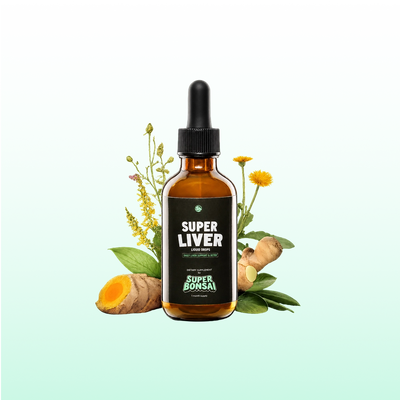
Dandelion root is known for its traditional liver-tonic use and preclinical mechanisms that look promising, opens in a new tab, though well-controlled human data is also limited. Both sit in Super Liver, and both are best understood as supportive rather than curative.
The takeaway for this window is patience. You are building the routine that later change depends on, not chasing a two-week transformation.
Weeks 4 to 12
This is where habit-driven change is more realistically observed, and it ties to sustained behavior rather than the tea alone. If markers like lab values shift, that reflects the whole pattern: reduced alcohol, better diet, more sleep, steady hydration.
No single product owns that result. Consistent use of Super Liver or Super Liver Tea is one supportive input within a larger set of habits. Read any improvement as the pattern working, not the bottle.
By this stage, the tea has ideally become automatic. Most people land on two to three cups a day, steeped for several minutes, often in the morning or alongside meals. The specifics matter less than the streak. A cup you remember every day beats a perfect brewing method you keep for a week.
What Changes Your Personal Timeline
Your timeline is mostly yours to influence. A handful of variables speed or slow how quickly you feel a difference, and most of them are within your control.
-
Alcohol intake: The single biggest lever on how hard your liver is working.
-
Diet quality: Fiber and whole foods support digestion and bile-driven fat breakdown.
-
Hydration: Water supports nearly every process you are trying to help.
-
Sleep: Recovery and repair lean heavily on consistent rest.
-
Medications and existing liver load: Both shape your baseline and your pace.
-
Consistency of the routine: The habit you keep beats the perfect plan you abandon.
These factors interact, and improving the ones you control matters more than any single supplement. If there is one variable a tea makes easier, it is consistency. A daily cup is a low-friction ritual, which is its real contribution to the list above rather than a fix for the others.
How to Tell It's Working
Honest signals are subtle and supportive, not dramatic. Watch for steadier energy, more comfortable digestion, better hydration habits, and less reliance on heavy “reset” behaviors after a rough stretch. These are reasonable things to notice when a routine is holding.
What should not count as proof is a dramatic same-day purge sensation. That reflects digestion and hydration, sometimes a mild diuretic or laxative effect from the tea itself, rather than liver detoxification.
When objective answers matter, the real arbiters are lab work and a clinician. Liver health is a medical question, and persistent symptoms such as jaundice or ongoing abdominal pain warrant a doctor rather than a stronger cup of tea. A tea supports a routine.
Tea vs. Capsules vs. “Cleanses”: Choosing a Daily-Support Approach
The useful way to compare formats is by how they fit your routine, not by which one is “stronger.”
-
Tea is a ritual-forward, hydration-friendly habit. The act of brewing and sipping builds the daily cue.
-
Capsules are the convenience option. They travel well and ask nothing of your morning beyond swallowing them.
-
Multi-day “cleanse kits” are the category to be cautious with. The crash flush and juice cleanse promising on-demand toxin removal is the fad worth skipping.
That last point is the only real debunk here, and it is narrow. A crash flush is not the same as daily botanical support, and the difference is the whole game.
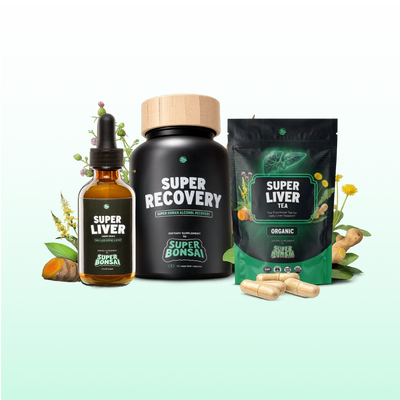
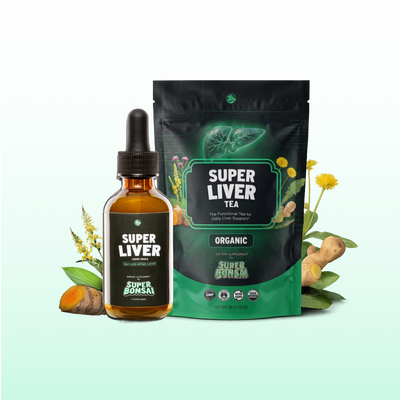
Super Liver Tea and Super Liver's milk thistle drops are two delivery formats of the same support philosophy. One is not a lighter version of the other. Pick the format you will keep up with, because consistency is the variable that matters.

Getting the Most From a Liver-Support Routine
A tea works best as one piece of a larger habit, so build the rest around it. Drink water consistently, moderate your alcohol, lean on fiber and whole foods, and protect your sleep. None of these is dramatic, and that is the point.
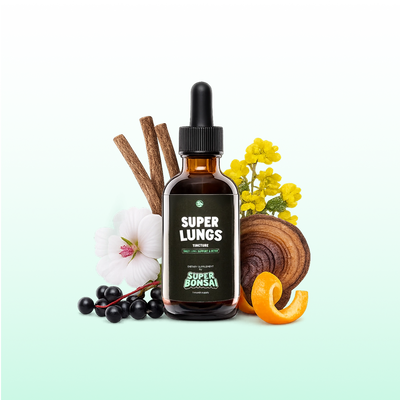
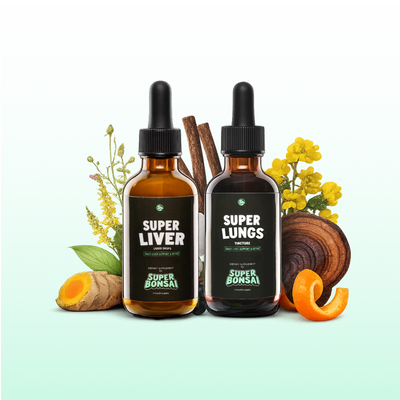
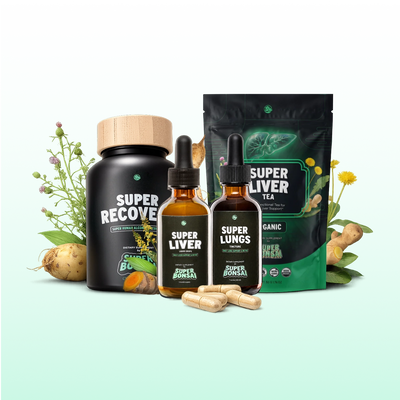
Treat Super Liver Tea as the easy daily anchor that holds the routine together. If a broader, multi-product approach suits you better, our Detox bundle pairs Super Liver and Super Lungs together. Either way, the tea is the cue that keeps the habit visible.
The throughline is steady. Consistent support over weeks does more than any single detox event, which is exactly why a date on the calendar was never the right way to measure it.
The Bottom Line
There is no stopwatch on liver support. The early days bring comfort, the first couple of weeks build the habit, and the four-to-twelve-week stretch is where consistent behavior shows up in how you feel and, sometimes, in what a clinician can measure.
A liver detox tea belongs in that picture as a daily ritual, not a flush. It supports the work your liver already does continuously. Keep the routine steady, control the variables you can, and let the timeline be what it is.
Disclaimer: These statements have not been evaluated by the Food and Drug Administration. This product is not intended to diagnose, treat, cure, or prevent any disease.