

You started drinking more water, cut back on alcohol, maybe added a daily liver supplement. Now you feel a little steadier, a little lighter, and you want to know: is this my liver detoxing?
It’s a fair question, and the honest answer is more useful than the version most search results give you. Your liver is always working. What changes when you support it is real, but it isn’t the dramatic toxin purge the wellness internet promises.
The flip side of those genuine signals is the set of sensations people often read as 'detox' when something simpler is going on. Sorting these out keeps your expectations accurate and tells you when a feeling is worth acting on.

What Liver Detox Signals Actually Mean
Start with the baseline. Your liver is a continuous, always-on organ. It filters blood, processes nutrients, breaks down hormones, and clears compounds around the clock. It doesn’t switch detoxification “on” because you started a cleanse week or opened a new bottle of supplements.
That continuous work happens through two linked stages.
-
Phase I detoxification uses cytochrome P450 enzymes to begin breaking compounds down.
-
Phase II detoxification then attaches molecules to those compounds, often using glutathione, to make them water-soluble so the body can clear them. This runs whether or not you’re thinking about it.
So when people say they feel their “liver detoxing,” they’re usually noticing one of two different things. One is the liver’s normal ongoing detoxification, which doesn’t produce sensations you can feel. The other is the set of changes that show up when you support liver health or shift your habits, which you can sometimes notice.
There’s a misconception to correct here, gently: the idea of stored toxins. The body isn’t holding a backlog of toxins waiting to be flushed on command. Most compounds are processed and cleared continuously, not warehoused until a cleanse releases them.
That points to the distinction this whole article rests on. A crash flush or juice-cleanse promises to purge toxins on demand over a few days. Consistent daily support works with the liver’s own pathways over time, and this piece is about the second one.
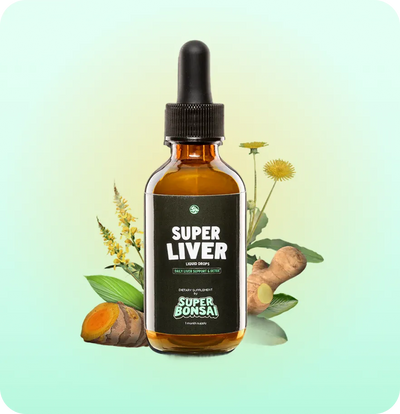
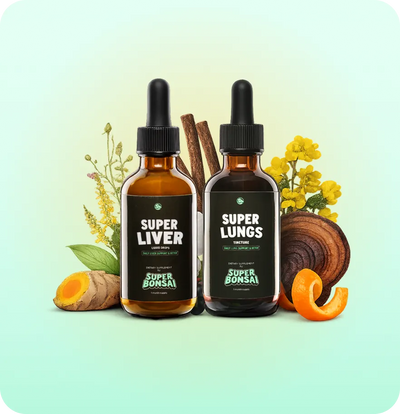
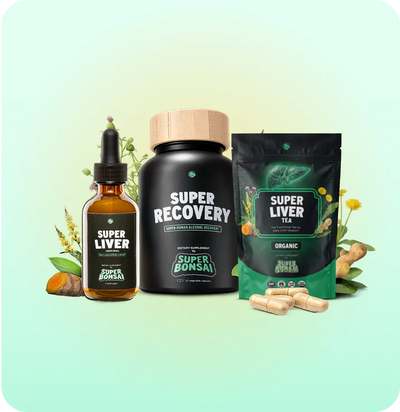
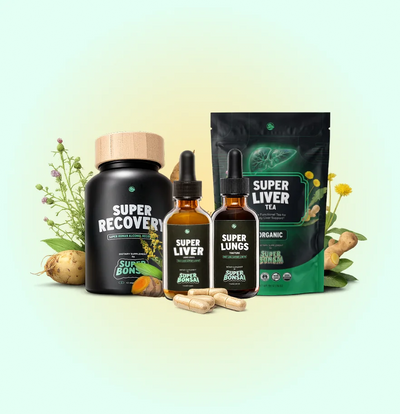
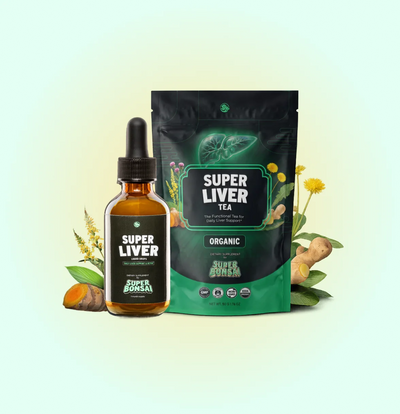
A daily-support product like Super Liver or Super Liver Tea fits that frame, supporting the work your liver already does rather than forcing an event.
Why People Look for “Signs” in the First Place
The real question behind “signs of liver detox working” is usually reassurance rather than anything clinical. People want to know whether what they’re doing is helping and whether what they’re feeling is normal.
That’s a reasonable thing to want, and it deserves an honest answer rather than a checklist that grades your organs. A subjective change is real to the person feeling it. It isn’t a measurement of your liver function or detox capacity, though, the way a blood test would be.
So for the rest of this piece, keep two buckets in mind. Some changes are genuine signals that your liver support is paying off. Others are sensations people often misattribute to “detox” when something else is going on.
Signals Often Linked to Better Liver Support
These are the changes people most commonly notice when they support liver health consistently. Each one is plausible. Each one also has an honest caveat, because most of these signals are influenced by more than your liver.
Steadier energy and less afternoon sluggishness
The liver helps regulate blood sugar and participates in metabolism, so it’s reasonable that better liver support tracks with steadier energy and fewer mid-afternoon crashes.
The caveat: energy is multifactorial. Sleep, hydration, and diet all move it. Steadier energy is a supportive sign, not a direct readout of detoxification.
More regular digestion
The liver continuously produces bile, which emulsifies dietary fat and aids digestion. When bile production and flow are working well, digestion and regularity often follow.
The caveat: digestion usually improves alongside diet and fiber changes people make at the same time. The bile mechanism is real, but it’s rarely the only thing moving.
Clearer skin
Some people report clearer skin when they clean up their habits, and there’s a loose, indirect association between liver health and skin.
The caveat: the evidence here is limited and indirect. Treat clearer skin as something some people notice, not a guaranteed effect or a sign that toxins left through your pores.
Reduced bloating or feeling “lighter”
Feeling lighter usually comes down to digestion and fluid balance settling, not toxins leaving the body.
The caveat: this is the one most often misread. Lightness is digestive comfort, not evidence of a flush. Reframing it that way keeps your expectations accurate.
Better sleep and morning clarity
A lot of metabolic processing happens overnight, and people who build consistent routines often sleep better and wake with more mental clarity and less brain fog.
The caveat: sleep is heavily confounded by sleep hygiene. Better mornings are a supportive signal that your routine is working, not proof of a specific liver mechanism.
Sensations People Misread as “Detox”
This is where the popular framing does the most damage. Several uncomfortable sensations get sold as proof that a cleanse is “working,” when they usually point to something simpler.
Headaches, fatigue, and irritability during a cleanse are common, and they’re more likely caffeine withdrawal, calorie restriction, or dehydration than toxins releasing. If you cut coffee and food intake sharply for three days, you’d feel rough regardless of your liver.
The “I feel worse before I feel better” idea deserves direct pushback. Feeling ill is not evidence that your liver is working harder or purging anything. That narrative mostly belongs to crash-cleanse marketing, and it conveniently reframes discomfort as success.
There’s a real line here, though, between normal and concerning. Jaundice, dark urine paired with pain, or persistent nausea are not signs of progress. They’re reasons to see a clinician. This article can’t diagnose anything, and dramatic symptoms are worth a professional’s attention rather than a celebration.
That’s the takeaway for this section. Consistent daily support rarely produces dramatic symptoms. When something feels dramatic, that’s a reason to pause, not a badge that the cleanse is working.
What Genuinely Supports the Liver’s Own Pathways
If the goal is supporting your liver rather than shocking it, the highest-value moves are unglamorous and well-supported.
The daily habits with the strongest backing are straightforward: limit alcohol, stay adequately hydrated, get enough sleep, eat whole foods with enough fiber, and manage your weight. These do more for liver function than any cleanse week, and they’re the foundation everything else sits on.
Botanical support fits here too, framed as daily support rather than a flush. Two of the herbs in Super Liver are worth understanding by what each is known for.
-
Milk thistle (silymarin) is the botanical most often associated with liver support. Its human clinical evidence is limited and mixed, so it’s best understood as a traditional liver-support herb with some study behind it, described in structure/function terms rather than as a treatment. You can read more on it in our guide to milk thistle liquid drops.
-
Dandelion root has a long history of traditional use for liver and digestive support, with mechanistic plausibility in preclinical research. It’s thought to stimulate bile flow, with the honest note that downstream human benefit isn’t established. Present it as traditional use plus plausible mechanism.
Both appear in the same formula, each for its own role. The goal is to understand what each contributes to a daily-support approach, not to rank one above the other.
A product like Super Liver or Super Liver Tea packages that botanical support into a consistent daily routine. That’s the right way to think about it: a routine-friendly option that fits a habit-based frame, not something that “makes your liver detox.”

Crash Cleanse vs. Daily Support: How to Tell Them Apart
This is the distinction that resolves almost every question people have about liver detox. The two approaches differ on axes you can evaluate.
-
Timeframe: a crash cleanse runs a few days; daily support is ongoing.
-
Mechanism claim: a cleanse promises to flush or purge toxins; daily support backs the pathways your liver already runs.
-
Symptom profile: a cleanse often produces dramatic sensations; daily support is subtle.
-
Sustainability: a cleanse is a one-off event; daily support is a habit you keep.
-
Evidence: the “toxin purge” claim doesn’t hold up; supporting the liver with consistent habits and botanicals is defensible.
The fad worth debunking is specific: the juice cleanse and the “toxin purge” promise. Those don’t deliver what they claim. Supporting your liver’s pathways with steady habits and botanical support is a different thing, and it’s legitimate.
How Long Before Liver Support Shows Up
Set expectations realistically. Liver support is cumulative, not overnight. Anyone promising a dramatic three-day result is selling the crash-cleanse model, not daily support.
Consistency beats intensity here. The changes people notice, steadier energy, better digestion, fewer crashes, build over weeks of steady habits rather than appearing after a single weekend.
So track the right things. Watch your sustainable habit markers and how you feel over weeks, not a running count of “detox symptoms.” If you want a place to start building that routine, the full product range is a reasonable first look.
The Bottom Line
The signs people associate with liver detox, more energy, easier digestion, clearer skin, better mornings, are real changes worth paying attention to, but they’re signals that your overall support is working, not proof of a toxin flush. Your liver detoxifies continuously on its own. What you can influence is how well you support that ongoing work.
So the useful frame is simple. Skip the crash flush and back your liver’s own pathways with consistent habits: less alcohol, more water, better sleep, whole foods, and steady botanical support if you want it. Judge progress over weeks, not days, and treat dramatic symptoms as a reason to check in with a clinician rather than a sign of success.
Disclaimer: These statements have not been evaluated by the Food and Drug Administration. This product is not intended to diagnose, treat, cure, or prevent any disease.